Designing a bedroom for an autistic child isn’t about picking a cute theme or matching throw pillows. It’s about building an environment that reduces sensory overload, supports regulation, and offers safe retreat when the world gets overwhelming. Many kids on the spectrum experience heightened sensitivity to light, sound, texture, and visual clutter, things most people never think twice about. A well-planned bedroom can make the difference between meltdowns and calm, between sleepless nights and restorative rest. This guide walks through practical, actionable modifications any parent or caregiver can carry out, from paint selection and lighting upgrades to furniture choices and soundproofing tactics.
Table of Contents
ToggleKey Takeaways
- Autism bedroom ideas should prioritize reducing sensory overload through intentional choices in lighting, color, and sound management rather than following traditional décor trends.
- Use muted, low-contrast colors like soft blues and greens with flat or eggshell paint finishes, and replace harsh overhead lights with dimmable LED fixtures and warm white (2700–3000K) lighting to create a calming environment.
- Incorporate dedicated sensory zones with soft furniture like beanbags and weighted blankets, plus a safe retreat corner with blackout fabric and sound-dampening elements where the child can regulate when overstimulated.
- Implement closed storage solutions with visual labels using both text and images to reduce visual clutter and cognitive load, helping autistic children with executive function challenges.
- Soundproof strategically by installing solid-core doors, heavy lined curtains, acoustic panels, and weatherstripping to block household noise that can disrupt sleep and focus.
- Anchor all furniture to walls, use rounded corner guards, and ensure frequently used items are at the child’s height to maximize safety and independence without constant adult intervention.
Why Sensory-Friendly Design Matters for Autistic Children
Autistic children often process sensory input differently than neurotypical kids. What feels like soft background noise to one person can register as painful static to another. Fluorescent overhead lights might trigger headaches or anxiety. Tags on sheets, seams in clothing, or rough carpet fibers can feel unbearable.
A sensory-friendly bedroom minimizes triggers and maximizes comfort. It’s not about sterile, clinical spaces, it’s about intentional choices that reduce unnecessary stimulation. Think of it as designing with a noise floor in mind: eliminate the constant low-level irritants so the child can focus, play, and rest without fighting their environment.
This approach benefits sleep quality, emotional regulation, and independence. When a child feels safe and comfortable in their room, they’re more likely to use it as a true retreat. That’s not lifestyle fluff, it’s a functional upgrade with measurable impact on daily life.
Choosing Calming Colors and Lighting for an Autism-Friendly Bedroom
Start with muted, low-contrast paint colors. Soft blues, greens, grays, and taupes tend to be less visually stimulating than bright primary colors or high-contrast combinations. Avoid glossy finishes, they reflect light unpredictably. Flat or eggshell sheens absorb light and create a softer visual field.
One gallon of quality interior paint typically covers 350–400 square feet with one coat. For a standard 10×12 bedroom (roughly 400 square feet of wall area after subtracting doors and windows), plan on two gallons for two coats.
Lighting deserves serious attention. Overhead fixtures with exposed bulbs or flickering fluorescents are common sensory triggers. Replace them with dimmable LED fixtures or recessed cans paired with a dimmer switch. LEDs don’t flicker like older CFLs, and dimmers let you dial in the exact light level.
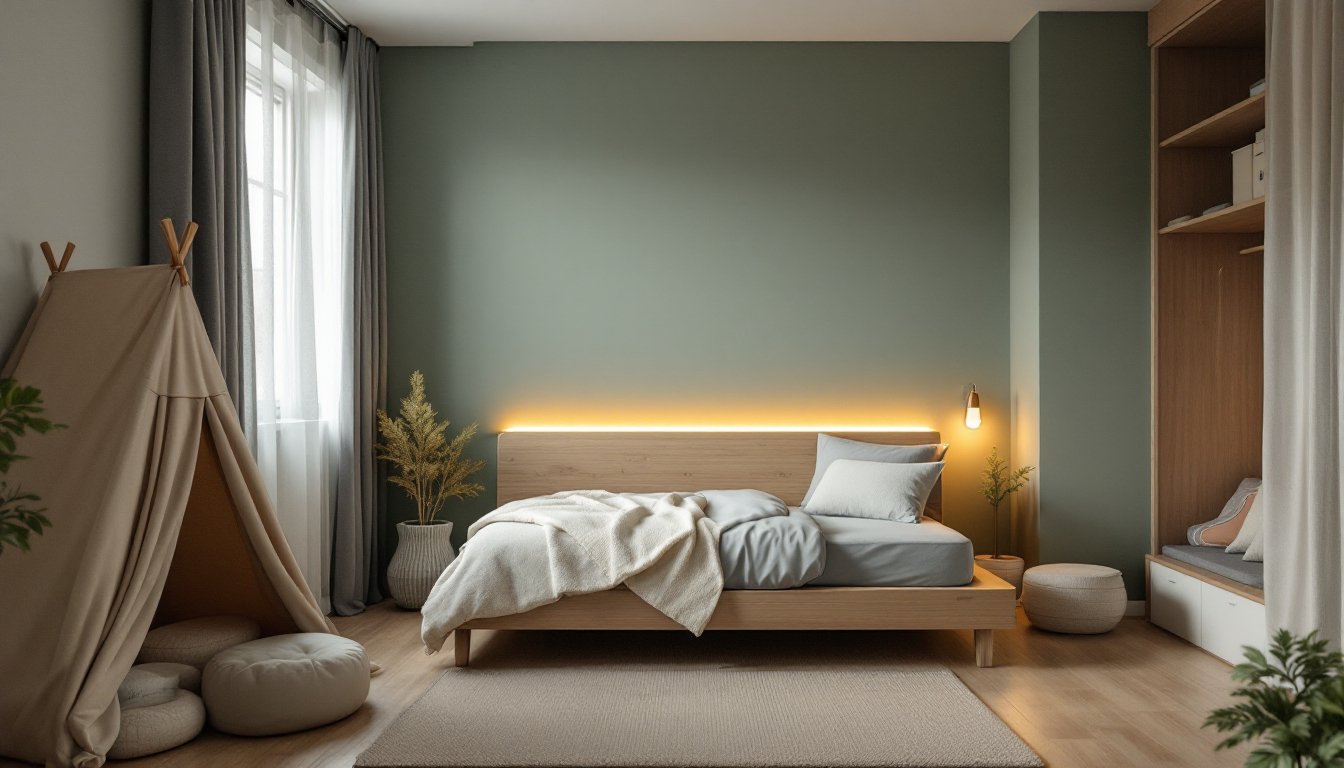
Consider adding soft, indirect lighting like LED strip lights behind a headboard or under shelving. Use warm white (2700–3000K color temperature) rather than cool white, which can feel harsh. Install blackout curtains or cellular shades to control natural light, some children need complete darkness to sleep, while others do better with a sliver of dawn light. Adjustability is key.
If the child is sensitive to switches or remotes, look into motion-sensor nightlights with adjustable sensitivity. They provide just enough glow for navigation without requiring interaction.
Creating Dedicated Sensory Zones and Safe Spaces
Many autism bedroom design strategies incorporate distinct zones for different activities: sleep, play, and sensory regulation. This helps the child understand what happens where, reducing transition stress.
A sensory zone might include a small tent or canopy draped with soft fabric, a beanbag chair, weighted lap pad, or textured fidget items. Keep it low-stimulus, neutral colors, minimal patterns. Some kids benefit from a crash pad (a dense foam mat) for proprioceptive input. Position this zone away from the bed to separate active regulation from sleep.
For a safe space or retreat corner, consider a floor-level nook with soft lighting and sound-dampening elements like a thick rug or acoustic foam panels. A simple plywood frame draped with blackout fabric works well. You’re not building a full closet, just a three-sided enclosure the child can crawl into when overstimulated.
Label zones with simple visual cues if the child responds well to them: a crescent moon icon for the sleep area, a star for the calm-down corner. Avoid overdecorating, too many posters, decals, or busy patterns can backfire. Every item should serve a purpose.
Safety is non-negotiable. Anchor all furniture to studs using furniture straps or L-brackets. If the child is a climber, remove or secure anything that could tip. Electrical outlets should have tamper-resistant covers (required by the National Electrical Code in new construction since 2008, but worth retrofitting in older homes).
Organizing with Visual Schedules and Clear Storage Solutions
Visual clutter is cognitive load. An autistic child who struggles with executive function will have a harder time in a room where toys, clothes, and books are piled everywhere. Clear, predictable organization reduces decision fatigue and meltdowns.
Use closed storage wherever possible. Open shelving can look clean in a magazine, but it’s visually noisy in practice. Opt for cabinets, bins with lids, or cubbies with fabric drawers. Label everything with both text and images, picture labels work especially well for younger kids or non-readers.
Many parents find success with budget-friendly furniture from IKEA Hackers, where simple KALLAX or TROFAST units become custom sensory-friendly storage with minor modifications like adding soft-close drawer inserts or swapping out bright bins for neutral ones.
For clothing, consider a capsule wardrobe approach: a limited set of sensory-friendly garments (tagless, soft fabrics, minimal seams) stored in clearly labeled drawers or bins. Use dividers to separate categories. A simple visual schedule posted on the wall, velcro-backed cards showing morning routine, bedtime steps, etc., helps the child anticipate what’s next.
Keep frequently used items at the child’s height. If they need to ask for help accessing something every time, it’s not truly accessible. Adjustable shelving or modular systems let you reconfigure as needs change.
Selecting Furniture and Textures That Support Sensory Needs
Furniture choices go beyond aesthetics. An autistic child may seek deep pressure, avoid certain textures, or need furniture that doubles as a sensory tool.
Beds: A low platform bed or floor bed (mattress on a frame just inches off the ground) reduces fall risk and can feel more secure. Some children prefer enclosed bed frames, look for house-shaped beds or add a canopy for a cocooning effect. If the child benefits from deep pressure, a weighted blanket (typically 10% of body weight) can improve sleep. Pair it with soft, breathable cotton or bamboo sheets, not synthetic microfiber, which can trap heat and feel scratchy.
Seating: Skip anything with exposed springs or hard edges. A bean bag chair or pouf provides flexible seating that molds to the body. For kids who rock or bounce, a small therapy ball chair or a rocking chair with a wide, stable base offers safe movement.
Flooring: Hard surfaces (laminate, vinyl plank, or sealed hardwood) are easier to keep clean and free of allergens than carpet. If you want softness, layer with washable rugs in natural fibers like cotton or wool. Avoid high-pile or shag, it’s a dust trap and harder to clean. A foam play mat with interlocking tiles can define a sensory zone and provide cushioning for floor activities.
Textures: Offer variety in a controlled way. A soft faux-fur throw, a smooth wooden stool, a bumpy silicone fidget mat, each provides different tactile input. Avoid mixing too many textures in one space: instead, rotate items based on the child’s current preferences. Some kids crave soft, others prefer firm or cool surfaces.
Rounded furniture corners reduce injury risk. If you’re working with existing pieces, add corner guards (foam or silicone edge protectors). They’re inexpensive and easy to install.
Managing Sound and Reducing Overstimulation
Sound management is often overlooked in bedroom decorating projects, but it’s critical for autistic children who are sensitive to noise. Even typical household sounds, HVAC systems, traffic, footsteps in the hallway, can disrupt sleep or focus.
Soundproofing basics: You don’t need studio-grade isolation, but small upgrades make a difference. Install solid-core interior doors instead of hollow-core, they block significantly more sound. Add a door sweep to seal the gap at the floor. Weatherstripping around the frame helps too.
Window treatments: Heavy, lined curtains or cellular (honeycomb) shades trap sound and light. Cellular shades have an added benefit: they improve insulation, keeping the room temperature stable (another sensory factor).
Wall treatments: If the room shares a wall with a noisy area (kitchen, living room), consider adding acoustic panels or a layer of mass-loaded vinyl behind drywall during a remodel. For a simpler fix, hang a thick tapestry or upholstered headboard on the shared wall, it won’t soundproof, but it dampens echo and absorbs some noise.
White noise or sound machines: These can mask unpredictable sounds. Choose a machine with adjustable volume and a variety of sounds (white noise, pink noise, rain, fan). Some autistic children find rhythmic sounds soothing: others prefer silence. Test before committing.
Flooring underlayment: If you’re installing new flooring, use a cork or foam underlayment, it reduces footfall noise transmitted to rooms below and cushions sound within the room. This is especially useful in multi-story homes.
Avoid noisy décor: wind chimes, ticking clocks, or anything with mechanical parts that hum or rattle. Every sound source is a potential stressor.
Conclusion
Building an autism-friendly bedroom isn’t a one-size-fits-all checklist. It’s an iterative process that responds to the child’s specific sensory profile, developmental stage, and preferences. Start with the highest-impact changes, lighting, color, and safety, then layer in sensory zones, organization, and sound control as budget and time allow. The goal is a space that supports regulation, independence, and rest without requiring constant adult intervention. With thoughtful material choices and a focus on function over trends, any parent or caregiver can create a bedroom that truly works for their child.