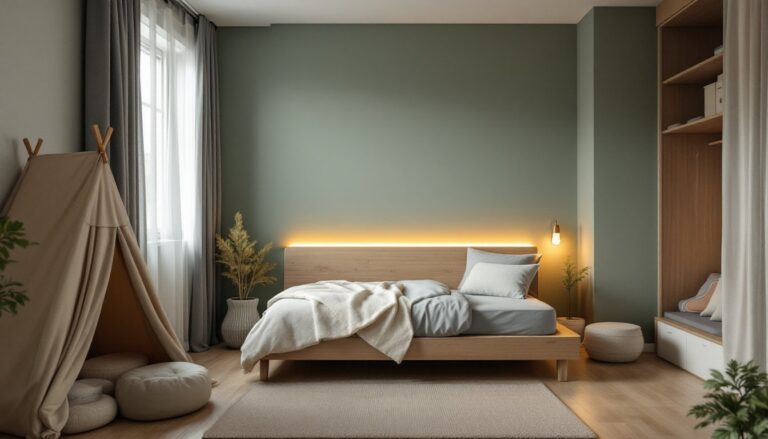

A bay window in the bedroom is one of those architectural features that can either sit empty and underutilized or become the most functional, eye-catching spot in the room. Most homeowners don’t realize they’re sitting on prime real estate, literally. That alcove isn’t just for plants and dust. With the right approach, it can serve as a reading nook, storage hub, workspace, or style anchor. The trick is matching the build to how the room actually gets used. This guide walks through practical, tested ideas for turning that bay into a hardworking feature, whether the goal is extra seating, hidden storage, or a design statement that doesn’t need a total remodel.
Table of Contents
ToggleKey Takeaways
- Bay window bedroom ideas transform underutilized alcoves into functional spaces like reading nooks, storage hubs, or workspaces without requiring a major remodel.
- A window seat with hinged storage, custom cushions, and task lighting is the most popular bay window solution, offering both comfort and practicality at a reasonable cost.
- Built-in storage maximizes bay windows by using lift-top benches, drawer units, and flanking shelves, but always verify HVAC vents and anchor cabinets securely to wall studs or floor joists.
- Flexible curtain tracks that bend around bay angles and properly positioned rods will maximize natural light while providing the light control needed for bedroom privacy.
- Bay windows work as effective work-from-home stations when fitted with floating or built-in desks positioned perpendicular to windows to avoid glare and screen fatigue.
- Match the style of built-ins to your existing trim and baseboards, or use contrasting paint colors to make the bay a focal point rather than an afterthought.
Why Bay Windows Are a Bedroom Game-Changer
Bay windows add square footage without adding to the footprint. They project outward, creating a recessed alcove that offers three main advantages: natural light from multiple angles, built-in depth for seating or storage, and architectural interest that bumps up resale value.
From a construction standpoint, most bay windows are either box bays (angular, 30- or 45-degree angles) or bow windows (curved, with four or more panels). Box bays are easier to build into and more common in bedrooms. The sill height typically sits around 18 to 24 inches from the floor, which is ideal for a window seat without custom framing.
Unlike standard windows, bays require planning. They’re not load-bearing, but the space beneath them often lacks standard wall framing, so any built-in seating or cabinetry needs to be anchored to the window frame or floor joists. Check for HVAC vents or baseboard heaters along the wall before committing to a built-in, relocating ductwork isn’t a weekend project.
One often-overlooked benefit: bay windows create microclimates. The alcove stays cooler in summer and can be drafty in winter if the seals are old. Factor that in when choosing upholstery or deciding whether to add insulated cushions.
Cozy Reading Nooks and Window Seats
A window seat is the most popular use for a bedroom bay, and for good reason, it’s functional, cozy, and doesn’t require a permit. The build is straightforward: a platform bench with a hinged or removable top for storage underneath.
Materials and dimensions:
- Use ¾-inch plywood or MDF for the platform, cut to fit the interior width and depth of the bay.
- Standard seat depth is 18 to 24 inches: deeper feels lounge-like, shallower works if space is tight.
- Frame the platform with 2x4s secured to the wall studs and supported by a center cleat or legs if the span exceeds 48 inches.
- Finish the front with 1×6 pine or pre-primed boards for a clean face.
Cushions and upholstery:
Custom cushions run $100–$300 depending on fabric and foam density. High-resilience foam (2–4 inches thick) holds up better than standard polyfoam. For a budget option, cut foam to size and wrap it in outdoor fabric, which resists fading from sun exposure.
Add throw pillows against the window glass for back support, but avoid blocking operable sashes. If the bay has side windows that open, keep cushions low enough to access the latches.
Lighting:
Reading nooks need task lighting. Wall-mounted swing-arm lamps or clip-on LEDs work if there’s no nearby outlet. Running new electrical may require a licensed electrician, especially if the wall is exterior brick or the circuit is already loaded. Battery-operated puck lights are a solid alternative.
Interior designers at MyDomaine frequently recommend layering textures, linen, wool, or velvet, to make window seats feel intentional rather than improvised.
Maximizing Storage with Built-In Solutions
Bay windows are ideal for built-in storage because the alcove is already defined. The challenge is working around trim, uneven floors, and the lack of wall studs along the window itself.
Window seat storage:
The simplest approach is a lift-top bench. Attach piano hinges along the back edge so the lid opens toward the room. Add soft-close hinges ($15–$25) if kids will be using it, slammed lids crack plywood fast.
For deeper storage, divide the interior with vertical partitions and add pull-out drawers on full-extension slides. This requires more precise measuring and a table saw, but it’s worth it for shoes, bedding, or off-season clothes.
Flanking shelves and cabinetry:
If the bay has flat walls on either side, floor-to-ceiling built-ins turn the nook into a mini library or display area. Use ¾-inch cabinet-grade plywood for the cases and face them with 1×2 or 1×3 trim to match existing molding.
Anchor cabinets to wall studs with 3-inch screws, not just drywall anchors. If the walls are plaster over lath, pre-drill to avoid cracking. Adjustable shelving is more versatile than fixed: use shelf pins and drill holes every 2 inches with a pegboard jig for even spacing.
Drawer units below the seat add hidden storage for clothing or linens. Soft-close drawer slides cost more but prevent rattling and improve resale appeal. Practical ideas for decorating a bedroom often include maximizing awkward alcoves like these.
Safety note:
If building over a heat register, cut ventilation slots in the platform or reroute the duct. Blocking airflow can trip the furnace limit switch or cause uneven heating.
Styling Your Bay Window with Curtains and Treatments
Bay windows complicate window treatments because of the angles. Standard rods don’t fit, and poorly hung curtains kill the light.
Curtain rods and hardware:
Use a flexible curtain track (like Ikea’s Vidga or Umbra’s Twilight) that bends around the bay’s angles. These mount to the ceiling or wall above the window frame and allow curtains to slide smoothly.
For a cleaner look, install separate rods on each window section. Use corner connectors or leave a small gap, it won’t be visible when the curtains are closed. Mount rods 4 to 6 inches above the frame and extend them 3 to 4 inches past each side to maximize light when open.
Fabric and length:
Blackout-lined panels help with sleep and insulation. For a bedroom, floor-length curtains look more finished than sill-length, but they’ll drag if the bay has a built-in seat. In that case, stop the hem ½ inch above the cushion.
Avoid heavy fabrics like velvet unless the rod and brackets are rated for the weight. Most standard rods max out around 20 pounds total.
Blinds and shades:
Cellular shades provide insulation and work well in drafty bays. Measure each window section individually, bays are rarely symmetrical. Inside-mount blinds sit within the frame and show off the trim: outside-mount covers gaps and light leaks.
Roman shades add softness without the bulk of curtains. If sewing isn’t an option, kits from budget retailers include all hardware and are beginner-friendly.
Recent styling guides from House Beautiful emphasize layering sheers with blackout panels for light control and visual depth.
Creating a Work-from-Home Station
Bay windows make surprisingly effective workspaces, especially in smaller bedrooms where a traditional desk footprint doesn’t fit.
Desk options:
- Floating desk: Mount a ¾-inch plywood slab or butcher block countertop across the width of the bay using heavy-duty brackets (rated for at least 50 pounds each). This keeps the floor clear and provides legroom.
- Built-in desk with drawers: Frame a platform at standard desk height (28 to 30 inches) and add file drawers or cubbies underneath. Face the front with trim or beadboard for a finished look.
- Freestanding desk: A slim writing desk (24 to 36 inches wide) fits most bays without custom carpentry. Look for models with angled or tapered legs that don’t block the baseboard.
Ergonomics and lighting:
Position the monitor perpendicular to the window to avoid glare. If that’s not possible, add sheer curtains or a tension-mounted shade for the center panel.
Task lighting is critical. A swing-arm lamp mounts to the wall and adjusts for reading or screen work. If running electrical, install an outlet inside the bay at desk height, drilling through exterior walls requires sealing with silicone or foam to prevent air leaks.
Cable management:
Use adhesive cable clips or a cable raceway along the underside of the desk to keep cords off the floor. If the desk is built-in, drill a 1-inch grommet hole for routing power and USB cables.
Climate control:
Bay windows can be cold in winter. A small space heater helps, but don’t block air vents. If the bay is over an unheated space (like a porch roof), consider adding rigid foam insulation to the underside during construction, this may require a permit if it changes the building envelope.
Decorating Around Different Bay Window Styles
Bay windows come in different configurations, and each affects how the space can be used.
Box bay (angled):
Typically 30- or 45-degree angles with three window sections. The flat side panels are easier to flank with built-ins or bookshelves. Because the corners are defined, furniture placement feels more natural. A bench cushion cut to the exact angle looks custom and avoids gaps.
Bow window (curved):
Four to six windows arranged in a gentle arc. These are harder to build into because there’s no flat back wall. Curved benches require a professional upholsterer or a DIY approach with segmented foam pieces. Bow windows suit decorative uses, plants, display shelves, or a small round table, more than heavy storage.
Canted bay (Victorian-style):
Steep angles (often 90 degrees) with a narrow footprint. These work well as dressing areas or vanity nooks. A small stool or pouf fits without blocking the windows. Use the side walls for hooks, mirrors, or narrow shelving.
Style and finish:
Match built-ins to existing trim. If the room has baseboard and casing in colonial or craftsman style, carry that profile into any new woodwork. Paint built-ins the same color as the walls to make the bay feel integrated, or use a contrasting color to make it a focal point.
For a modern look, skip ornate trim and use square-edge plywood with a painted finish. Shaker-style doors or open cubbies fit this aesthetic.
Trending ideas from Decoist show more homeowners using bay windows as plant galleries, with tiered stands or hanging planters that don’t require carpentry.
Conclusion
Bay windows are too valuable to waste. Whether building a cushioned seat, adding storage, or carving out a workspace, the key is working with the structure rather than against it. Start with accurate measurements, plan around existing HVAC and electrical, and don’t skip the finishing details. The alcove that used to collect clutter can become the hardest-working square footage in the bedroom.