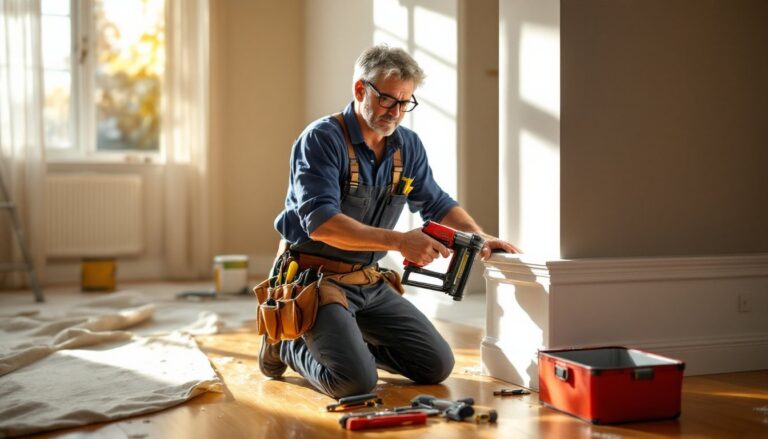

Finding reliable handyman services in Atlanta can feel like hunting for a needle in a haystack, especially when you’re staring at a leaky faucet, a loose cabinet door, or a deck that needs staining before the weekend. The metro area is packed with options, from independent contractors to national chains, but not all handymen are created equal. Some specialize in carpentry, others in minor electrical work, and many handle the grab bag of tasks that don’t quite justify calling a specialized tradesperson. This guide walks homeowners through what Atlanta handyman services actually cover, how to vet candidates, what projects make sense to hand off, and what it’ll cost.
Table of Contents
ToggleKey Takeaways
- Atlanta handyman services handle small-to-medium projects like drywall repair, painting, fixture installation, and minor plumbing or electrical work that don’t require licensed specialists.
- Verify insurance coverage, licensing, and recent references before hiring—always request a current certificate of general liability insurance to protect yourself.
- Atlanta handyman rates typically range from $60–$120 per hour, with flat-rate pricing common for specific tasks; always get written estimates for jobs over $200.
- Handymen in Georgia operating on projects over $1,000 in labor and materials must hold a state contractor’s license; work beyond simple repairs requires licensed electricians or plumbers.
- Avoid DIY projects that require permits, work at height, or specialized tools—these situations demand professional expertise and save money in the long run.
- Ask potential handymen about their experience with your specific project, insurance details, warranty policies, and communication preferences to ensure a smooth working relationship.
What Does a Professional Handyman in Atlanta Actually Do?
A handyman tackles the small-to-medium jobs that don’t require a licensed specialist, or at least, not always. Think drywall patching, door hinge replacement, caulking bathtubs, installing shelving, painting trim, replacing light fixtures, fixing fence boards, and mounting TVs. Many Atlanta handymen also handle basic plumbing (like swapping out a toilet flapper or replacing a showerhead) and minor electrical tasks (changing outlets, installing ceiling fans), though anything beyond that typically requires a licensed electrician or plumber per Georgia state law.
Most handymen are generalists. They won’t replace your main service panel or sister a cracked floor joist, but they’ll tighten wobbly stair railings, replace rotted fascia boards, and repair cracked tile grout. The scope varies by individual skill set and insurance coverage, some carry general liability that allows broader tasks, while others stick to cosmetic work to avoid permitting headaches.
One thing to clarify upfront: handymen in Georgia don’t need a state license for jobs under $1,000 in labor and materials combined (per project). Anything above that threshold legally requires a contractor’s license. That limit shapes what most handymen will quote and how they structure invoices.
How to Choose the Best Handyman Service in Atlanta
Start by asking neighbors, checking top-rated local directories, and reading recent reviews, emphasis on recent, since crew turnover is common. Look for patterns in feedback: Does the handyman show up on time? Do they clean up? Are estimates accurate, or do costs balloon?
Verify that the handyman is insured. General liability insurance protects you if they accidentally crack a pipe, damage flooring, or get injured on your property. Don’t take their word for it, ask for a certificate of insurance and confirm it’s current. Workers’ compensation is less common among sole proprietors but becomes critical if the handyman brings a helper.
Check availability and minimum charges. Many Atlanta handymen have a minimum service fee (typically $75–$150) just to show up, which can sting if you only need a doorknob replaced. Some offer “honey-do” list packages where you batch several small tasks into one visit, more cost-effective than calling them out five times.
Licensing and Insurance Requirements
Georgia doesn’t mandate a general handyman license, but work totaling $1,000 or more per project requires a state contractor’s license (issued by the Georgia Secretary of State). If the handyman claims they can remodel your bathroom or build a deck for $3,000, they must hold that license, otherwise, they’re operating illegally, and you have zero recourse if things go south.
For electrical or plumbing work beyond simple repairs, look for someone with the appropriate trade license. The Georgia State Board of Electrical Contractors oversees electricians, and the Georgia State Plumbing Board regulates plumbers. A handyman can swap a light switch or tighten a leaky sink trap, but rewiring a circuit or running new water lines? That’s licensed territory.
Insurance is non-negotiable. A $2 million general liability policy is standard. If they can’t produce proof, walk away.
What to Expect: Pricing and Cost Factors for Atlanta Handyman Work
Atlanta handyman rates typically range from $60 to $120 per hour, depending on experience, specialization, and demand. Flat-rate pricing is common for defined tasks, mounting a TV might run $100–$150, painting a bedroom $300–$600, or replacing a ceiling fan $150–$250 (parts extra).
Several factors affect cost:
- Project complexity: Hanging drywall in a closet is cheaper than matching existing texture on a vaulted ceiling.
- Material sourcing: Some handymen supply materials and mark them up 10–20%: others let you buy your own.
- Travel distance: Expect a higher minimum or travel fee if you’re in Alpharetta or Decatur versus central Atlanta.
- Scheduling: Emergency or same-day requests often carry a premium.
National platforms like HomeAdvisor and ImproveNet provide cost calculators and project estimators, which can help ballpark expectations before you request quotes. Just remember: those are averages. Atlanta’s cost of living and tight labor market in 2026 mean real quotes can run higher.
Always get a written estimate for jobs over $200. Verbal quotes lead to disputes. A good handyman will itemize labor, materials, disposal fees, and any permit costs (rare, but possible for deck repairs or structural fixes).
Common Handyman Projects Atlanta Homeowners Request Most
Based on service requests and local market trends, here are the bread-and-butter jobs Atlanta handymen handle:
- Drywall repair: Patching nail pops, repairing holes from removed fixtures, fixing cracks above doorways.
- Door and hardware issues: Adjusting misaligned doors, replacing locksets, fixing squeaky hinges, installing weatherstripping.
- Carpentry tweaks: Replacing baseboards, installing crown molding, building simple shelving, fixing loose stair treads.
- Painting: Interior touch-ups, accent walls, trim refresh (though whole-house jobs usually go to painting contractors).
- Deck and fence maintenance: Replacing rotted boards, power washing, re-staining, tightening loose posts.
- Fixture installation: Towel bars, grab bars, curtain rods, closet organizers.
- Minor plumbing: Replacing faucet cartridges, fixing running toilets, installing dishwashers or garbage disposals (if confident in their skills).
- Light electrical: Swapping outlets and switches, installing dimmer switches, hanging ceiling fans, replacing light fixtures.
Atlanta’s humidity and clay soil create a few regional quirks. Foundation settling is common, leading to sticking doors and cracked drywall. Handymen who understand how to shim a door or float a drywall patch in high-moisture areas earn repeat business.
Many homeowners also hire handymen for seasonal projects, gutter cleaning before fall storms, caulking windows ahead of winter, or replacing HVAC filters quarterly.
DIY vs. Hiring a Handyman: When to Call in the Pros
If you own a drill, a level, and a tape measure, plenty of handyman tasks are fair game for DIY, hanging pictures, replacing cabinet hardware, caulking a tub, touching up paint, or installing a programmable thermostat. YouTube and project forums make these accessible even for beginners.
But some jobs aren’t worth the headache or risk:
- Anything requiring a permit: Deck construction, structural modifications, major electrical or plumbing work. If it needs a permit, it needs a licensed pro.
- Work at height: Cleaning second-story gutters, repairing roof flashing, or painting a two-story foyer. The risk of a fall far outweighs the cost of hiring help.
- Specialized tools: If you’d need to rent a tile saw, pneumatic nailer, or drywall lift for a one-off project, hiring someone with those tools already makes financial sense.
- Time-sensitive repairs: A leaking toilet flange or broken window lock should be fixed now, not when you finally carve out a Saturday.
- Finish carpentry or tile work: These demand a steady hand and experience. Crooked crown molding or lippage in tile screams amateur.
The line between DIY and hiring often comes down to confidence and consequence. Mess up a paint job? You can repaint. Crack a cast-iron drain pipe while replacing a toilet? That’s a $500 plumber visit you didn’t budget for.
A good rule: if you’re Googling “how to” while you’re already halfway into the project, stop and call a handyman.
Questions to Ask Before Hiring Your Atlanta Handyman
Before handing over a deposit or scheduling work, ask these questions:
- “Can I see proof of insurance?” Don’t skip this. A certificate of insurance should list general liability and, ideally, workers’ comp.
- “Have you done this specific job before?” A handyman who’s installed 50 ceiling fans is a better bet than one learning on your dime.
- “What’s your availability and lead time?” Some book out two weeks: others can squeeze you in next-day.
- “Do you charge hourly or flat-rate for this project?” Understand the pricing model upfront to avoid sticker shock.
- “Who’s doing the work, you or a subcontractor?” If they’re sending someone else, you deserve to know their qualifications.
- “What’s your policy on unforeseen issues?” Example: they open your wall to fix a leak and find mold. Do they stop and re-quote, or keep going?
- “Do you warranty your work?” Reputable handymen stand behind their labor for at least 30–90 days.
- “Will you pull permits if needed?” Though rare for handyman-scale jobs, it’s worth confirming they know when permits apply.
Red flags to watch for: refusal to provide references, cash-only payment demands (no paper trail), vague or shifting estimates, and pressure to start immediately without a written agreement. Trust your gut. If something feels off during the initial conversation, it probably is.
Finally, confirm communication preferences. Some handymen are great over text: others are phone-call-only. Mismatched communication styles lead to frustration on both sides.