Thinking about turning your handyman skills, or business savvy, into a franchise operation? Ace Handyman Services has been around since 1968 and bills itself as a turnkey solution for entrepreneurs who want to tap into the $600+ billion home improvement and repair market. But buying a franchise isn’t just about recognizing a brand logo. It’s about understanding upfront costs, royalty structures, training depth, and whether the model matches your actual skillset. Whether someone’s a licensed contractor looking to scale or a first-time business owner with strong management chops, the Ace franchise model has specific requirements and tradeoffs worth unpacking before signing anything.
Table of Contents
ToggleKey Takeaways
- Ace Handyman Services franchise requires an initial investment of $120,000–$180,000 plus ongoing royalties of 4%–6.5% of gross revenue, making it a capital-intensive business model for entrepreneurs entering the home improvement market.
- The ideal Ace Handyman Services franchise owner is a business-minded manager first, not necessarily a skilled tradesperson, with experience in team leadership, systems thinking, and the ability to recruit and retain qualified technicians.
- Franchisees benefit from established brand recognition, centralized lead generation through Ace’s call center, standardized scheduling software, and vendor discounts, but must accept limited pricing flexibility and dependence on franchisor-provided infrastructure.
- Successful Ace franchise owners need cash reserves for 3–6 months of operating expenses, must navigate seasonal revenue fluctuations, and are responsible for obtaining trade licenses and ensuring regulatory compliance across their service territory.
- Net profit margins typically range from 10%–20% for established franchises, though profitability depends heavily on efficient truck routing, strong customer retention, minimal callback rates, and the owner’s ability to manage labor costs in a competitive hiring market.
What Is Ace Handyman Services Franchise?
Ace Handyman Services operates as a franchise network offering residential and light commercial repair, installation, and remodeling services. It’s part of the Ace Hardware Corporation family but functions independently from the retail stores most homeowners know.
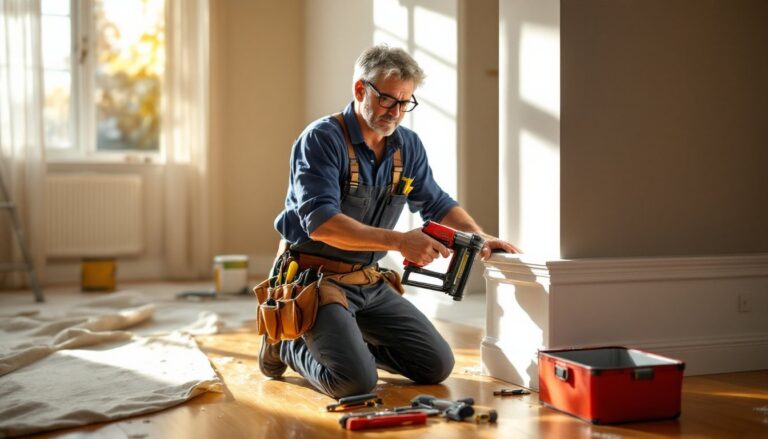
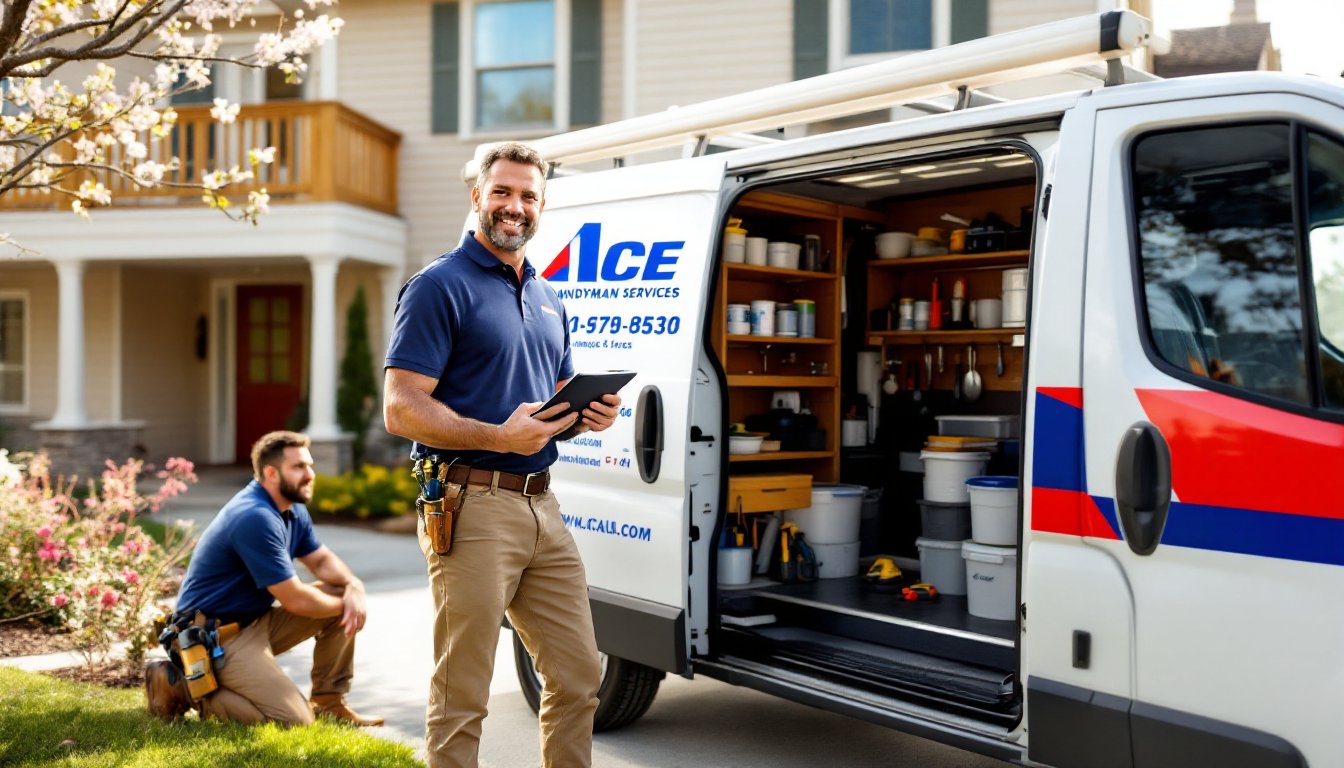
Franchisees don’t run a storefront. They operate mobile service businesses, trucks go to customer homes for jobs like drywall repair, door installation, deck staining, minor plumbing fixes, tile work, and carpentry. The business model focuses on recurring small-to-medium projects rather than major renovations or new construction.
Each franchise typically employs or contracts with skilled craftspeople rather than the owner doing the work directly, though some owner-operators do handle jobs themselves initially. The franchisor provides the brand, lead generation systems (call center, website leads, partnerships), software for scheduling and invoicing, and vendor discounts on materials.
Ace uses a territory-based system. Franchisees get exclusive rights to a defined geographic area, usually mapped by population density and household income. Territory sizes vary, urban areas are smaller but denser, suburban territories cover more square miles but may have higher travel time between jobs.
Revenue comes from billable labor hours and markups on materials. Customers book through Ace’s centralized call center or online portal, and the franchise dispatches technicians. Projects range from one-hour jobs (hanging shelves, replacing faucets) to multi-day work (cabinet refacing, bathroom tile installs). It’s a volume-based model: profitability depends on keeping trucks rolling and minimizing downtime between appointments.
How Much Does an Ace Handyman Services Franchise Cost?
Initial franchise fees run approximately $50,000 to $75,000 depending on territory size and market competitiveness as of 2026. That’s just the license, the real cash outlay comes from startup costs.
Total initial investment typically ranges from $120,000 to $180,000, covering:
- Vehicles and tool inventory: Work trucks or vans (new or used), ladders, power tools, hand tools, safety equipment. Budget $30,000–$50,000 if buying outright, less if leasing.
- Insurance: General liability, workers’ comp, commercial auto. Annual premiums vary by state but expect $8,000–$15,000 first year.
- Working capital: Cash reserves for payroll, fuel, materials before revenue stabilizes, typically three to six months of operating expenses.
- Marketing and software setup: Website localization, vehicle wraps, initial ad spend.
- Training and travel: Costs for attending franchisor training (airfare, lodging, meals).
Ongoing fees include:
- Royalty: 4%–6.5% of gross revenue, tiered by volume (higher revenue may qualify for lower percentage).
- National Marketing Fund: 1%–2% of gross revenue for brand-level advertising and lead generation.
- Technology fee: $300–$500/month for CRM software, scheduling platform, and call center access.
Net profit margins for established franchises reportedly run 10%–20% after paying technicians, materials, overhead, and franchise fees. But that assumes efficient routing, strong customer retention, and minimal callbacks for rework. Platforms like Angi and similar services show average handyman labor rates at $60–$90/hour in most markets, Ace franchises need to stay competitive while covering higher overhead than independent operators.
Financing is available through SBA loans and franchisor-approved lenders. Veterans may qualify for fee reductions through the VetFran program. Cash liquidity requirements usually sit around $75,000–$100,000, with total net worth of $250,000+ preferred.
What Support and Training Does Ace Provide Franchise Owners?
Ace Handyman Services offers a two-week initial training program at their corporate headquarters in Kansas. Training covers business operations, not necessarily hands-on trade skills, franchise owners don’t need to be master carpenters, but they do need to understand project scope, pricing, and quality standards.
Key training modules include:
- Estimating and pricing: How to quote jobs accurately using standardized labor rates and material markups.
- Hiring and crew management: Recruiting skilled technicians, background checks, pay structures (hourly vs. per-job), performance tracking.
- Software systems: Using proprietary CRM for scheduling, customer communication, invoicing, and tracking job profitability.
- Quality control: Inspection checklists, callback reduction strategies, warranty policies.
- Marketing and lead conversion: Responding to inbound leads, upselling additional services, customer retention tactics.
Ongoing support includes:
- Dedicated franchise business coach: Regular check-ins to review financials, troubleshoot staffing issues, optimize routing and scheduling.
- Centralized call center: Handles inbound customer calls, books appointments, manages after-hours requests. Franchisees pay for this via the technology fee.
- National vendor relationships: Pre-negotiated discounts with suppliers like lumber yards, plumbing wholesalers, and paint distributors. Savings typically 10%–20% off retail.
- Regional meetings and annual conferences: Networking with other franchisees, best practice sharing, updates on new service offerings.
Ace also provides branded marketing materials, truck wraps, yard signs, door hangers, digital ad templates, and runs national campaigns that drive traffic to the franchise network. Local franchisees supplement with their own Google Ads, direct mail, and partnerships with real estate agents or property managers.
One thing Ace doesn’t provide: a ready-made crew. Franchisees must recruit, vet, and retain their own craftspeople. In tight labor markets, that’s often the biggest operational challenge. Training and guidance from Family Handyman style tutorials can help new hires standardize methods, but hiring skilled, reliable technicians remains the owner’s responsibility.
Who Is the Ideal Ace Handyman Services Franchise Owner?
Ace Handyman Services isn’t looking for solo handymen who want to swing hammers. The ideal franchisee is a manager and business operator first, craftsperson second (or not at all).
Best-fit profiles include:
- Former contractors or construction managers who want to step off job sites and into an office. They understand trade work, can spot shoddy craftsmanship, and know how to price jobs realistically.
- Sales and operations professionals with experience managing field teams, ex-military officers, logistics managers, retail district managers. Scheduling efficiency and customer service matter more than trim carpentry skills.
- Multi-unit franchise owners adding a complementary business. Some Ace franchisees also own cleaning franchises, restoration companies, or other home service brands.
- Couples or business partners where one handles sales/customer relations and the other manages crews and job quality.
Key traits for success:
- Comfort with variable income: Revenue fluctuates seasonally (spring and fall are busiest) and by local economy. Cash flow management is critical.
- Ability to recruit and retain skilled labor: Hiring electricians, plumbers, carpenters, painters who show up on time, work clean, and communicate professionally.
- Systems-oriented mindset: Following franchisor playbooks, tracking KPIs (callback rate, revenue per truck per day, customer satisfaction scores), iterating based on data.
- Willingness to work evenings and weekends initially: Customer calls come in outside 9-to-5, and new owners often fill scheduling gaps themselves.
Who should think twice:
- Solo operators who want full creative control. Franchise systems have mandatory processes, pricing structures, and branding rules.
- Anyone expecting passive income. Active management is required, especially in the first 18–24 months.
- Those without access to capital reserves. Undercapitalization kills more franchises than competition.
Services like HomeAdvisor show that independent handymen can earn solid livings without franchise fees, but they also handle all their own marketing, scheduling, invoicing, and insurance. The Ace model trades autonomy for infrastructure and brand recognition.
Pros and Cons of Owning an Ace Handyman Services Franchise
Key Advantages
Established brand and lead flow: The Ace name carries recognition, and the centralized call center delivers a steady stream of inbound leads. New franchisees don’t start from zero, they plug into an existing marketing engine.
Turnkey systems: Software for scheduling, invoicing, customer communication, and job costing comes standard. No need to build custom tech or cobble together apps.
Vendor relationships and buying power: Negotiated discounts on materials mean better margins than shopping at big-box stores. For high-volume franchises, savings add up.
Lower barrier to entry than independent startups: While $120,000–$180,000 isn’t cheap, it’s less than buying an existing contracting company or building a service business from scratch with no playbook.
Training and ongoing support: Franchise coaches, peer network, and proven processes reduce trial-and-error. Owners learn from the successes and failures of 100+ other franchisees.
Scalability: Multi-truck operations become feasible once systems are dialed in. Some franchisees run 5–10 trucks in a single territory or buy additional territories.
Potential Drawbacks to Consider
Royalty and fee drag: Paying 6%–8% of gross revenue (royalty + marketing fund) off the top eats into already-thin margins. Independent operators keep that money.
Limited pricing flexibility: Franchisor sets rate guidelines to maintain brand consistency. If local competitors undercut on price, franchisees can’t always match without violating franchise agreements.
Dependence on franchisor lead generation: If the national call center underperforms or territories get oversaturated, lead quality drops and trucks sit idle.
Labor challenges: Recruiting skilled, reliable technicians is tough everywhere. Franchisees compete with independent contractors, GCs, and other service businesses for the same talent pool. High turnover kills profitability.
Seasonal revenue swings: Winter months in cold climates can be slow (exterior painting, deck work, siding repairs drop off). Cash reserves need to cover lean periods.
Exit strategy limitations: Selling a franchise usually requires franchisor approval of the buyer and transfer fees. Resale values vary widely based on territory performance and market conditions.
Permits and licensing complexity: Even though Ace handles small-to-medium jobs, many municipalities require permits for electrical, plumbing, or structural work. Franchisees must ensure their crews carry appropriate trade licenses or subcontract specialists when needed. Liability for unpermitted work falls on the franchise owner, not the franchisor.