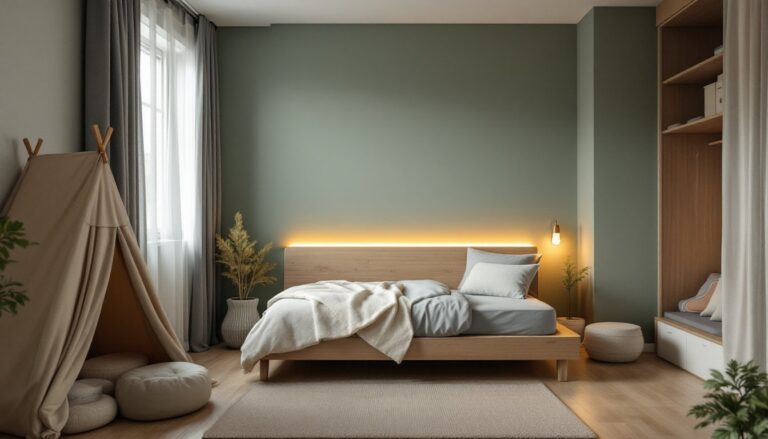
Turning a bedroom into a personal library isn’t just about storage, it’s about creating a retreat where sleep, reading, and relaxation coexist. For avid readers juggling limited square footage, the bedroom often becomes the most logical place to house a growing book collection. Unlike a formal home library that requires a dedicated room, a bedroom library adapts to existing space, whether that’s a 10×10 rental or a sprawling primary suite. The challenge lies in integrating shelving and storage without sacrificing comfort, accessibility, or the room’s original function. Done right, a bedroom library adds character, improves organization, and transforms downtime into an immersive reading experience.
Table of Contents
ToggleKey Takeaways
- A bedroom library combines storage, comfort, and relaxation by leveraging wall space and climate control that protects books while keeping reading materials within arm’s reach for better sleep routines.
- Built-in shelving around the bed frame or floor-to-ceiling installations maximize storage density, but require careful planning for safety, load capacity, and proper spacing—keeping shelves at least 36 inches above the mattress to prevent bumps.
- Freestanding bookshelf options like ladder-style units, modular systems, and cube storage offer flexibility for renters and small spaces, though all tall units should be anchored to wall studs to prevent tipping.
- Small bedroom libraries benefit from creative vertical storage solutions including floating corner shelves, under-bed rolling drawers, window seat storage, and over-the-door units that maximize every unused inch.
- A dedicated reading nook with proper task lighting (400–500 lumens), an ergonomic accent chair, and side table transforms a bedroom library into an immersive retreat that encourages reading instead of screen time before sleep.
- Positioning your reading nook away from HVAC vents and choosing warm-white LED bulbs (2700–3000K) creates comfortable conditions that reduce eye strain and make extended reading sessions more enjoyable.
Why Create a Library in Your Bedroom?
Bedrooms offer practical advantages for book storage that other rooms can’t match. Unlike high-traffic areas where books gather dust or get borrowed and never returned, a bedroom provides controlled access and a quieter environment. The space is already climate-controlled for sleeping comfort, which helps protect paper and bindings from humidity fluctuations that cause warping or mildew.
For homeowners working with limited square footage, dedicating wall space above or around the bed makes use of otherwise wasted vertical real estate. A bedroom library also supports a wind-down routine, having books within arm’s reach encourages reading before sleep instead of scrolling on devices. This isn’t about aesthetics alone: it’s a functional use of space that aligns with how many people actually spend their time at home.
From a practical standpoint, integrating a library into a bedroom often requires less structural work than converting a closet or adding built-ins elsewhere. Many bedroom design approaches already incorporate custom storage, so adding shelving fits naturally into renovation plans without needing separate permits or major electrical work.
Built-In Shelving Solutions for Bedroom Libraries
Around the Bed Frame and Headboard
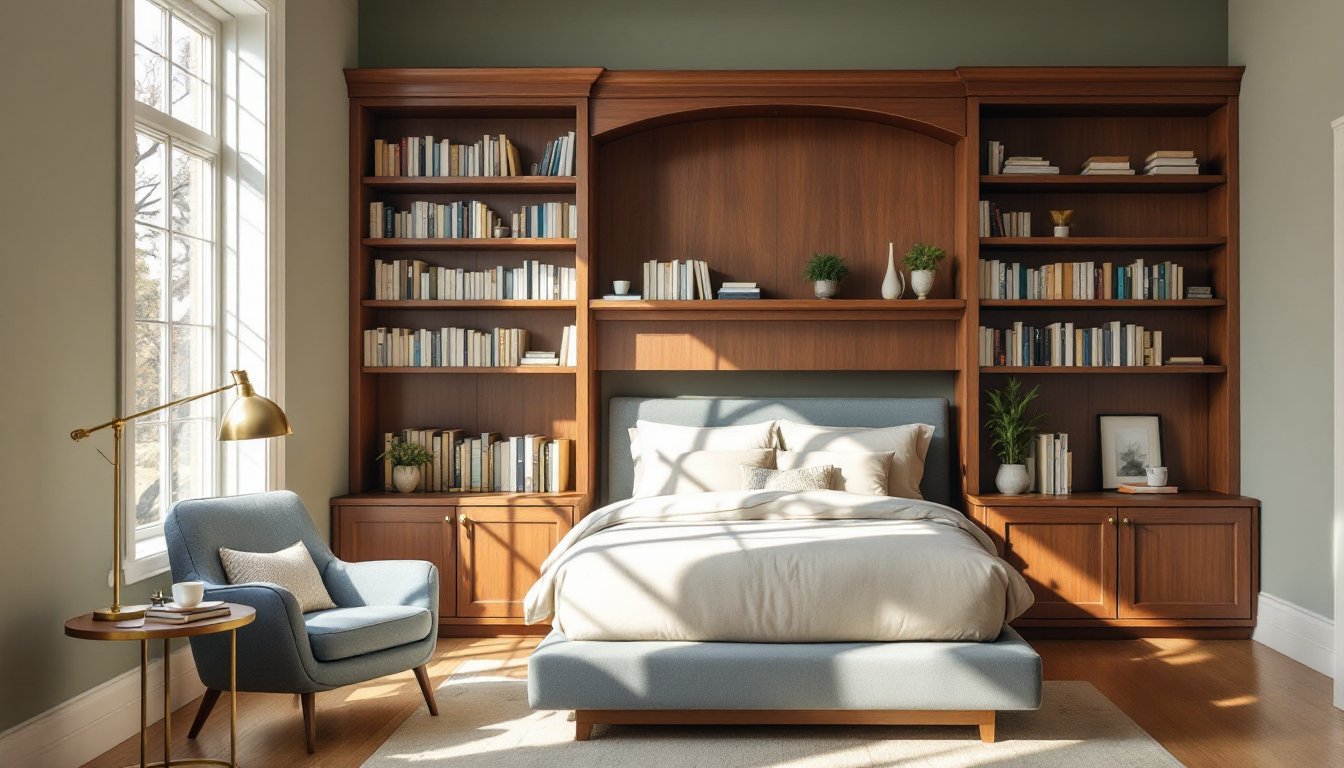
Built-in shelving that wraps around a bed frame creates a cocoon effect while maximizing storage. This approach works best with platform beds or low-profile frames that leave wall space above the mattress unobstructed. Standard designs include vertical shelving units on either side of the bed (typically 12–18 inches deep) with a horizontal bridge shelf spanning the headboard area.
Construction involves attaching shelving units to wall studs using lag bolts rated for the expected load, figure roughly 20–30 pounds per linear foot for hardcover books. For earthquake-prone regions or homes with children, add L-brackets at the top back of each shelf to prevent tipping. Many design platforms like Homedit showcase various configurations, from minimalist floating shelves to full wraparound units with integrated lighting.
Keep the lowest shelf at least 36 inches above the mattress to avoid head bumps when sitting up. If the shelving extends over the bed, secure it to at least two studs and use ¾-inch plywood or solid wood for the horizontal span to prevent sagging. Avoid particleboard for overhead installations, it doesn’t handle weight or humidity as well over time.
One often-overlooked detail: leave a 2-inch gap between the back of the shelving and the wall to run electrical for reading lights or USB charging ports. This requires planning before drywall if you’re doing new construction, but it’s worth the effort for a cleaner finish.
Floor-to-Ceiling Wall Installations
Floor-to-ceiling built-ins deliver maximum storage density and can be DIY-friendly if you’re comfortable with basic carpentry. The key is building a frame that anchors to both the floor joists (if on an upper level) and wall studs, then adding adjustable shelving inside.
Start by locating studs with a stud finder, standard wall framing is 16 inches on center. Use a laser level to mark plumb lines from floor to ceiling. The frame is typically built from 2×2 or 2×3 lumber, creating a ladder-like structure that gets screwed directly into studs. Shelves themselves can be ¾-inch plywood, hardwood, or MDF depending on budget and finish preference.
Shelf depth matters more than most people realize. 10–12 inches handles most fiction and trade paperbacks: go to 14 inches if the collection includes art books or textbooks. Deeper shelves waste space and make it harder to see book spines in a bedroom with typical lighting.
For rooms with 8-foot ceilings, plan for six to seven shelves with 10–12 inch vertical spacing. Taller ceilings offer more flexibility, but keep the top two shelves for rarely accessed books, nobody wants to climb a step stool in pajamas. Add a trim piece at the top (crown molding or a simple 1×4) to give the installation a finished, built-in appearance.
If the bedroom is rented or resale value is a concern, consider a freestanding floor-to-ceiling unit like the IKEA Billy series with height extension kits, then anchor it to the wall with furniture straps. This delivers a similar visual impact without permanent modification.
Freestanding Bookshelf Ideas That Maximize Space
Freestanding shelving offers flexibility that built-ins can’t match, especially for renters or anyone planning to move within a few years. The challenge is choosing units that provide enough capacity without overwhelming a bedroom’s footprint.
Ladder-style bookcases work well in tight spaces because they lean against the wall at an angle, creating a smaller floor footprint (typically 18–24 inches deep at the base). They’re not ideal for heavy collections, expect a max load of about 50–75 pounds total, but they’re perfect for active reading rotations or decorative display.
For serious capacity, look at modular shelving systems like Elfa or industrial pipe shelving. These scale vertically and horizontally without requiring custom carpentry. Modular units anchored to wall studs can safely hold 35–40 pounds per shelf, comparable to built-ins. The industrial aesthetic (black pipe, walnut shelves) pairs well with modern or minimalist bedrooms featured on sites like HGTV.
Cube storage units (the 6-, 9-, or 12-cube variety) offer versatility for mixed storage, books, bins for small items, or decorative objects. Place them perpendicular to a wall to create a partial room divider in a large bedroom or studio apartment. Add fabric bins in alternating cubes to break up visual clutter and store items that don’t need to be on display.
Always anchor tall freestanding units to the wall, even in adult-only homes. Use furniture anchors or L-brackets attached to at least one stud. Most tip-over incidents happen during earthquakes, rough vacuuming, or when moving furniture, not from everyday use.
Creative Storage Solutions for Small Bedroom Libraries
Small bedrooms demand creative thinking, every square inch counts. Start by looking at underutilized vertical and dead space: above doorways, under windows, and in corners.
Floating corner shelves installed in an L-shape or staggered zigzag pattern turn an awkward corner into usable storage. These work best for paperbacks or decorative books since each shelf supports less weight than a full-width unit. Use hidden floating shelf brackets rated for at least 15 pounds per shelf and anchor into studs or use toggle bolts in drywall.
The space under a bed is often wasted or filled with random storage bins. Replace standard bins with rolling drawer units specifically sized for books (look for units 10–12 inches tall). These keep books dust-free and accessible without requiring you to crouch and dig. For platform beds with built-in storage, dedicate drawer space to out-of-season reading or reference books.
Window seat storage combines seating, storage, and a reading spot in one piece. If the bedroom has a wide window (48 inches or more), build a simple bench using a 2×4 frame, a hinged plywood top, and storage bins or open shelving underneath. Add a cushion cut from 3-inch foam wrapped in fabric for comfort. This is a weekend project for someone with moderate carpentry skills, no permits needed unless you’re altering window framing.
For renters or commitment-phobes, behind-the-door shelving mounts to the back of a bedroom door using over-the-door hooks or wall-mounted brackets if drilling is allowed. These units typically hold 20–40 books depending on configuration. Make sure the door can still close fully and that the added weight doesn’t cause sagging on older hollow-core doors.
Another often-missed opportunity: the space above the closet. If the bedroom has a standard closet with an 80-inch opening, add a shelf across the top of the door frame. This won’t hold heavy volumes safely, but it’s perfect for collectible editions or books that are more decorative than functional.
Designing a Cozy Reading Nook Within Your Bedroom Library
A bedroom library reaches its full potential when it includes a dedicated spot for reading. This doesn’t require a massive room, just thoughtful furniture placement and lighting.
Start with seating. An accent chair with a seat depth of 20–24 inches and back height of 30–36 inches provides proper support for extended reading sessions. Pair it with a side table (18–22 inches tall) for drinks, glasses, and the current book stack. For tight spaces, a wall-mounted swing-arm lamp eliminates the need for a floor lamp and frees up table surface.
Lighting is non-negotiable. Ambient bedroom lighting rarely provides enough illumination for comfortable reading. A reading nook needs task lighting with at least 400–500 lumens directed at the book or e-reader. LED bulbs in the 2700–3000K range (warm white) reduce eye strain compared to cooler color temperatures. Many professionals featured on House Beautiful recommend adjustable arm lamps or clip-on book lights for flexibility.
If there’s space for a small bookshelf next to the chair (even a 24-inch-wide unit), it keeps the current reading rotation within arm’s reach and creates a self-contained reading zone. Add a small basket or bin underneath for magazines, journals, or works-in-progress.
For corner nooks, consider an L-shaped built-in bench with storage underneath and shelving on two adjacent walls. This creates an enclosed, almost library-carrel feel that some readers prefer. Add cushions with removable, washable covers, reading nooks get heavy use and spills happen.
Don’t overlook climate control. Position the reading nook away from direct HVAC vents that blow air directly on the reader or cause pages to flutter. If the bedroom tends to run cold, a small space heater or heated throw blanket makes winter reading sessions more comfortable without cranking up the whole-house thermostat.