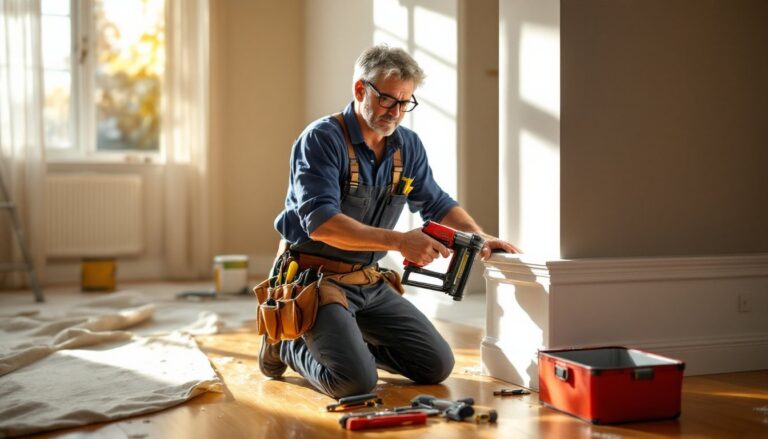
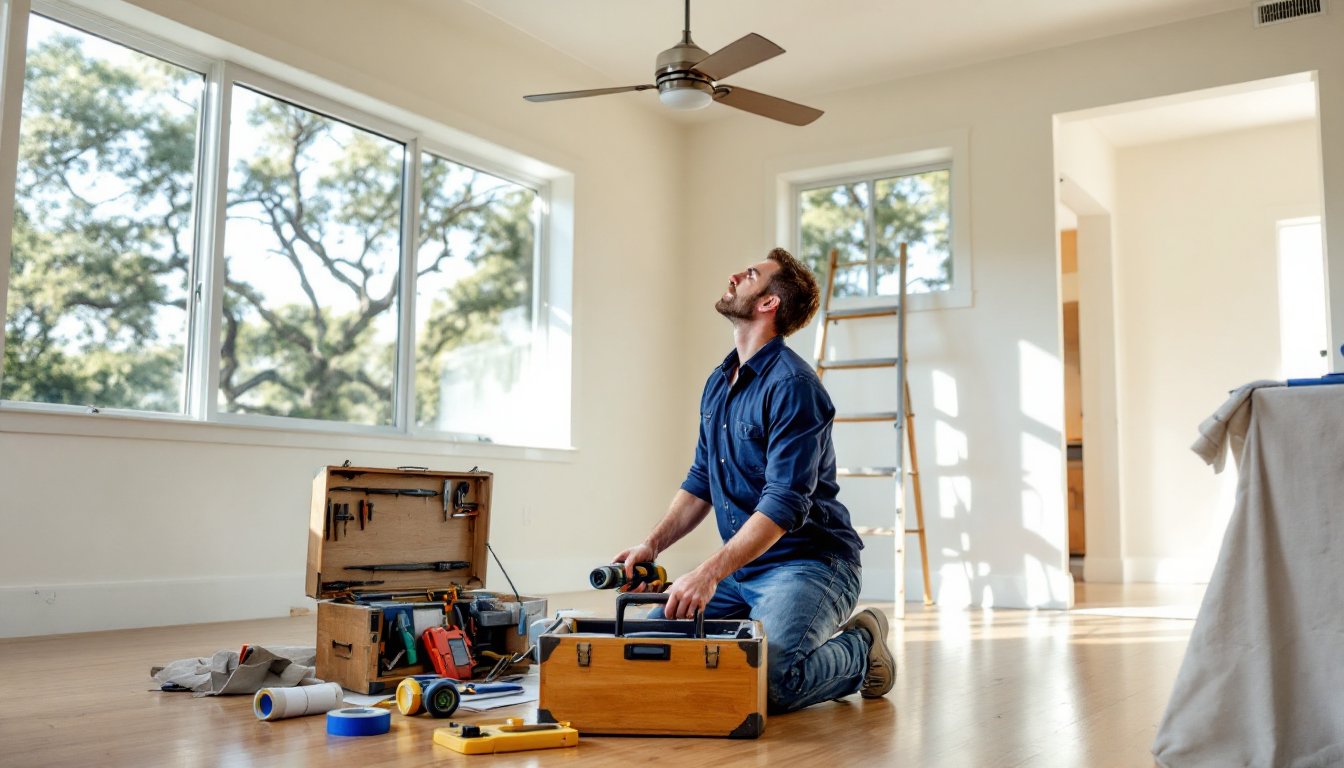
Finding reliable Austin handyman services shouldn’t feel like a guessing game. Whether you’re dealing with a drippy faucet, a door that won’t latch, or a honey-do list that’s grown into a full scroll, the right handyman saves time, frustration, and often money compared to patching things yourself or calling a specialized contractor for minor work. Austin’s booming housing market and aging home stock mean demand for skilled handymen is high, but so is the variation in quality, pricing, and professionalism. This guide walks through what to look for, what these pros typically handle, how to vet candidates, and what you’ll likely pay in 2026.
Table of Contents
ToggleKey Takeaways
- Austin handyman services typically cost $75 to $125 per hour in 2026, with flat rates for common repairs like drywall patches ($75–$150) and door installation ($150–$300).
- Always verify licensing, general liability insurance, and references on multiple platforms before hiring Austin handyman services to protect yourself from liability and poor workmanship.
- Match the handyman’s expertise to your project—generalists work for simple tasks, but carpentry-focused pros are better for built-ins, wainscoting, and finish work.
- Get detailed written estimates that itemize labor and materials, outline timelines, and specify whether permits will be pulled for electrical, plumbing, or structural work.
- Red flags include vague answers about experience, pressure to start without a written agreement, and refusal to discuss code compliance—these indicate an unprofessional or uninsured provider.
- For work beyond basic fixture swaps—electrical wiring, plumbing supply lines, structural repairs, and deck work with significant rot—hire a licensed contractor or engineer rather than a general handyman.
What to Look for in Austin Handyman Services
Start with licensing and insurance. Texas doesn’t require a general handyman license for jobs under $5,000, but legitimate pros carry general liability insurance and often workers’ comp if they have employees. Ask for proof, it protects you if someone gets hurt or property gets damaged.
Check reviews and references on multiple platforms. A handyman with a solid track record on top-rated local directories and Google Reviews gives you a clearer picture than a single five-star rating. Look for patterns: Do they show up on time? Communicate well? Clean up after the job?
Scope of work matters. Some handymen specialize in carpentry or plumbing repairs: others are generalists. If you need electrical work beyond swapping a fixture, confirm they’re comfortable with it, or better yet, that they hold an electrician’s license for anything beyond simple tasks. Texas law requires licensed electricians for most wiring and panel work.
Finally, get written estimates. A good handyman will visit the site (or review detailed photos), itemize labor and materials, and give you a timeline. Avoid anyone who quotes over the phone without seeing the job or insists on cash-only payment.
Most Common Home Repairs Handled by Austin Handymen
Interior Repairs and Updates
Handymen tackle a wide range of indoor fixes that don’t require a specialized trade license. Drywall patching tops the list, nail pops, small holes, and tape seams are bread-and-butter work. Expect them to cut out damaged sections, secure backing, mud, tape, sand, and prime. For larger holes or water-damaged areas, they may install a new piece of 1/2-inch or 5/8-inch drywall and blend the texture.
Door and cabinet repairs are equally common. Sticking doors often need planing or hinge adjustment: loose cabinet doors get new screws or Euro-style hinges if the old chipboard is stripped. Handymen also hang interior doors, install locksets, and replace worn weatherstripping on exterior doors.
Fixture installation includes ceiling fans, light fixtures, towel bars, and grab bars. While swapping a light fixture is straightforward, adding a new ceiling fan may require a fan-rated electrical box secured to a joist or blocking, code in most jurisdictions and essential for safety. If the handyman isn’t confident doing the electrical rough-in, bring in a licensed electrician.
Other frequent interior jobs: caulking tubs and showers, installing shelving, replacing baseboards and door trim, and minor tile repairs. These don’t require permits but do demand attention to detail and the right materials, 100% silicone caulk for wet areas, not painter’s acrylic.
Exterior Maintenance and Fixes
Outside, handymen handle gutter cleaning and minor repairs, resealing joints, replacing sections, and adjusting hangers. Austin’s heavy spring rains make this critical: clogged gutters can lead to foundation issues and fascia rot.
Fence repairs are huge in Austin. Cedar pickets warp and crack in the heat: gate hinges sag. A handyman can replace individual pickets, reset posts that have heaved, and install galvanized strap hinges or gate springs to keep things swinging smoothly. For full fence replacement or structural posts, you may need a fencing contractor, especially if you’re dealing with HOA requirements or shared property lines.
Deck maintenance includes power washing, re-staining, and replacing rotted boards. Handymen often use pressure-treated lumber for structural members and cedar or composite for decking. If the deck is more than a couple feet off the ground or shows significant rot in joists or ledger boards, consult a contractor or structural engineer, that’s not handyman territory.
Other common exterior work: caulking windows, replacing door sweeps, patching stucco or siding, and installing outdoor fixtures like motion lights or house numbers. Always confirm that exterior electrical work includes a weatherproof box and GFCI protection where required by the National Electrical Code (NEC).
How to Choose the Best Handyman for Your Project
Match the handyman’s skills to your project complexity. For a simple honey-do list, installing blinds, patching drywall, replacing a toilet flapper, almost any experienced generalist will do. For more involved work like built-in shelving, wainscoting, or a bathroom vanity swap, look for someone with carpentry or finish work in their portfolio.
Ask specific questions during the initial call or walkthrough:
- Have you done this type of repair before? Can I see photos?
- What materials do you recommend, and why?
- Will you pull permits if needed? (For instance, replacing a water heater or adding a new circuit usually requires a permit in Austin.)
- What’s your cleanup process?
- Do you guarantee your work?
Red flags include vague answers, no insurance, pressure to start immediately without a written agreement, or a “trust me” attitude when you ask about code compliance. Austin is generally friendly to DIY and handyman work, but anything structural, electrical beyond basic fixture swaps, or plumbing that involves moving supply lines often needs a licensed pro and an inspection.
Timing matters too. Many Austin handymen book out one to three weeks in advance during peak seasons (spring and fall). If you need something done immediately, expect to pay a premium, or accept a less-established provider. For non-urgent projects, using platforms like HomeAdvisor can help match you with available pros and provide cost benchmarks.
Finally, trust your gut. A handyman who shows up on time for the estimate, communicates clearly, and takes notes is likely to bring that same professionalism to the job.
Average Costs for Handyman Services in Austin
Austin handyman rates in 2026 typically run $75 to $125 per hour, depending on experience, insurance, and job complexity. Some pros charge a minimum service call fee, often $100 to $150, which covers the first hour or two and travel.
For smaller tasks, many handymen offer flat-rate pricing:
- Drywall patch (small hole, under 6 inches): $75–$150
- Interior door installation (pre-hung, no framing changes): $150–$300
- Ceiling fan installation (existing box, no wiring changes): $100–$200
- Fence gate repair (hinge and latch replacement): $100–$175
- Gutter cleaning (single-story home, average size): $100–$200
Larger projects shift to hourly or bid pricing. Installing a bathroom vanity with plumbing hookup might run $300–$600, depending on whether the handyman does the plumbing or subcontracts it. A deck re-stain for a 200-square-foot deck could cost $400–$800, including power washing and two coats of stain.
Materials are extra unless the estimate specifies otherwise. Handymen typically mark up materials 10% to 20% to cover purchasing time and liability. You can supply your own materials to save money, but confirm the handyman will warranty work done with customer-supplied products, some won’t.
Cost estimators on sites like ImproveNet can provide ranges based on your ZIP code and project details, but always get at least two quotes for anything over a few hundred dollars. Austin’s market varies widely by neighborhood: handymen serving Westlake or Tarrytown often charge more than those working in outlying areas like Pflugerville or Manor.
Be wary of quotes that seem too good to be true, significantly below market rates often mean unlicensed workers, no insurance, or corner-cutting on materials and methods. Paying a fair rate gets you someone who’ll show up, do it right, and stand behind the work.
Conclusion
Hiring the right handyman in Austin comes down to doing a bit of assignments upfront, verifying insurance, checking reviews, and getting detailed estimates. A good handyman becomes a go-to resource for the inevitable repairs and small upgrades that come with homeownership, saving you the hassle of tackling unfamiliar tasks or overpaying for specialized contractors on minor work.