
East Valley homeowners juggling to-do lists know the frustration: a leaky faucet that won’t quit, crown molding that needs finishing, or a deck that’s seen better days. Some projects don’t warrant a specialized contractor, but they’re still beyond a Saturday afternoon fix. That’s where Ace Handyman Services East Valley comes in, a regional operation handling the mid-sized repairs and improvements that fall between quick DIY wins and major renovations. This guide breaks down what they offer, how they compare to doing it yourself, and when it makes sense to dial a professional instead of heading to the tool aisle.
Table of Contents
ToggleKey Takeaways
- Ace Handyman Services East Valley offers versatile mid-sized repairs and improvements for homeowners in Gilbert, Chandler, Mesa, and surrounding communities without the cost of specialized contractors.
- The service handles drywall repairs, trim carpentry, minor plumbing, electrical work, and exterior maintenance—all with proper Arizona ROC licensing, general liability insurance, and labor warranties.
- Professional handyman rates in Phoenix metro range from $75–$150 per hour, and half-day or full-day blocks make sense for punch lists combining multiple projects in one visit.
- DIY projects are best suited for painting, basic caulking, and simple installations, while drywall repairs, door hanging, deck work, and precision trim require professional tools and expertise.
- Major structural work, load-bearing modifications, service panel upgrades, and whole-house systems always require licensed contractors and permits to ensure code compliance and protect your insurance coverage.
- Hiring a professional handyman saves time and money when your hourly rate exceeds the service fee, and their labor warranty protects you if repairs fail due to workmanship.
What Makes Ace Handyman Services East Valley Stand Out
Ace Handyman Services operates as a franchise model with localized crews serving Gilbert, Chandler, Mesa, and surrounding communities. The East Valley branch focuses on reliability and breadth, one technician can tackle carpentry, minor plumbing, electrical work within code limits, and finish carpentry in a single visit.
Licensing and insurance matter more than most homeowners realize. Arizona requires a Registrar of Contractors (ROC) license for jobs exceeding $1,000, and Ace holds the appropriate credentials for handyman-level work. They carry general liability and workers’ comp insurance, which protects you if someone’s injured on-site or if a repair goes sideways. Always verify current coverage before work starts.
Their technician vetting process includes background checks and skills assessments. Most crew members have carpentry or trade backgrounds, not just general labor experience. That shows when they’re scribing trim to fit an out-of-plumb wall or troubleshooting a GFCI outlet that keeps tripping.
Hourly vs. flat-rate pricing varies by project scope. Ace East Valley typically charges by the half-day or full-day block, which works well for punch lists, hanging three ceiling fans, patching drywall in two rooms, and replacing a toilet flange all get knocked out in one visit. For context, professional handyman rates in the Phoenix metro generally run $75–$150 per hour depending on task complexity and materials.
One advantage: warranty on labor. Most handyman outfits offer 30-day callbacks if a repair fails due to workmanship. Larger projects may include a one-year guarantee. Get it in writing before the crew shows up.
Common Services Offered by Ace Handyman East Valley
Ace’s service menu covers the typical pain points East Valley homes face, aging builder-grade finishes, monsoon damage, and the wear from desert heat.
Interior Repairs and Improvements
Drywall patching and texturing tops the request list. Arizona’s clay soil shifts, cracking tape joints and popping fasteners. A pro handyman will cut out damaged sections, install backing strips (1×3 or 1×4 lumber) behind the patch, tape with fiberglass mesh or paper tape, and match the existing knock-down or orange-peel texture. DIYers often skip the backing strip, leading to a weak repair that telegraphs through paint.
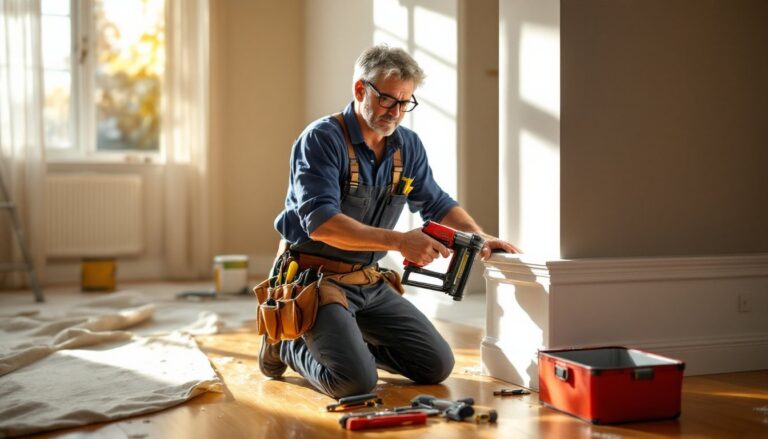
Trim carpentry and door installation require precision. Hanging a pre-hung interior door involves shimming the jamb plumb and level in both directions, securing it to the king studs with 3-inch finish screws through the shims, and cutting the casing with 45-degree miters that close tight. Ace technicians bring pneumatic finish nailers and jamb saws to undercut trim without pulling the door, tools most homeowners don’t own.
Minor plumbing repairs, replacing wax rings, swapping out faucet cartridges, installing supply line shut-offs, fall within handyman scope. Anything involving rerouting drain lines or modifying water supply mains requires a licensed plumber under Arizona statute.
Electrical work is limited to non-structural tasks: replacing outlets and switches, installing light fixtures, adding GFCI protection in wet locations. Running new circuits or upgrading a service panel requires a licensed electrician. The National Electrical Code (NEC) and local amendments govern what’s permissible: handymen stay within those boundaries to avoid code violations.
Shelving, closet organizers, and cabinet hardware installations seem simple but often hit snags. Mounting heavy shelving into drywall without hitting studs invites failure. Pros use toggle bolts or snaptoggle anchors rated for 50+ pounds per fastener, or better yet, locate the studs with a stud finder and lag-screw directly into the framing. When estimating home improvement projects, factor in hidden costs like additional blocking or reinforcement.
Exterior Maintenance and Repairs
Deck and fence repairs address sun-rotted boards, loose post anchors, and failed fasteners. Arizona’s UV exposure degrades pressure-treated lumber faster than humid climates. Replacing deck boards means matching the actual dimensions (a 2×6 deck board measures 1.5″ × 5.5″) and using coated deck screws instead of nails to resist withdrawal. Fence posts in caliche soil often need post-hole concrete collars 12–18 inches deep to stay plumb.
Exterior painting and staining prep is everything. Ace crews power-wash to remove oxidation, scrape loose paint, spot-prime bare wood with oil-based primer (better adhesion in desert heat than latex), and caulk gaps with paintable acrylic-latex caulk. Exterior paint coverage averages 250–400 square feet per gallon depending on substrate porosity: stucco drinks more than smooth wood siding.
Gutter cleaning and minor roof repairs prevent monsoon water intrusion. Cleaning out valleys and downspouts twice a year, before and after monsoon season, extends roof life. Replacing a few cracked S-tiles or sealing around roof penetrations with elastomeric sealant stops leaks before they rot the roof decking. Major roof work or flashing replacement needs a licensed roofer.
Screen door and window screen replacement might sound trivial, but tensioning fiberglass mesh evenly in an aluminum frame without buckling takes practice. Pros use a spline roller and cut the screen 2 inches oversized, rolling the rubber spline progressively around the frame to maintain even tension.
Outdoor fixture installation, porch lights, doorbell cameras, hose bibs, requires weatherproof boxes and wet-location-rated covers. Exterior GFCI outlets must be on their own circuit per NEC Article 210.8. When planning outdoor upgrades, code compliance keeps you safe and maintains resale value.
When to Hire a Professional Handyman vs. DIY
Some jobs are clear DIY wins. Others waste time, materials, and temper when tackled without experience. Here’s how to decide.
Time vs. cost trade-off: Hanging a ceiling fan might take you four hours (first time), including two trips to the hardware store for a missing part. A handyman does it in 45 minutes. If your hourly rate, actual or opportunity cost, exceeds the service charge, hiring out makes financial sense.
Tool ownership: Owning a miter saw, table saw, pneumatic nailer, and laser level justifies DIY trim work. Renting them for a one-off project adds $100–$200, narrowing the gap between DIY and professional labor.
Skill ceiling: Patching a nail hole? DIY. Matching a skip-trowel texture on 12-foot ceilings? That’s a learned skill. Poorly matched texture screams “amateur hour” and hurts resale value.
Permit requirements: Arizona requires permits for structural changes, electrical work beyond device replacement, plumbing alterations, and HVAC modifications. Handymen can pull permits for minor work, but anything structural needs an engineer’s stamp and a licensed contractor. DIYers can pull homeowner permits, but you’re responsible for code compliance and inspection scheduling.
Safety risks: Working on a two-story ladder, cutting into walls with unknown wiring, or handling pressure-treated lumber (wear gloves and a dust mask, chromated copper arsenate, even in newer ACQ-treated wood, is nasty) all carry injury risk. Pros carry insurance: you carry the hospital bill.
Warranty and liability: A handyman’s labor warranty covers callbacks. Your DIY work doesn’t. If you crack a tile while demoing a shower, you eat the cost. If a pro does, they replace it.
Good DIY candidates: painting (after proper prep), basic caulking, replacing outlet covers and switch plates, installing pre-fab shelving, pressure-washing, simple landscape tasks.
Good handyman candidates: drywall repairs, door hanging, fence board replacement, fixture installation, minor deck repairs, anything requiring specialty tools or precision fits.
Licensed contractor territory: foundation work, load-bearing wall modifications, service panel upgrades, whole-house re-plumbing, HVAC installation, roof replacement, structural framing. Don’t cross this line, code inspectors will red-tag unpermitted work, and insurance won’t cover damages.
Conclusion
Ace Handyman Services East Valley fills the gap between quick fixes and major renovations, handling the repairs that keep a home functional without requiring specialized contractors. Whether it’s a punch list of deferred maintenance or a single tricky project, their breadth of skills and insurance coverage provide peace of mind. Balance DIY ambition with honest assessment of your time, tools, and skill, some projects reward sweat equity, while others deserve a professional touch.