
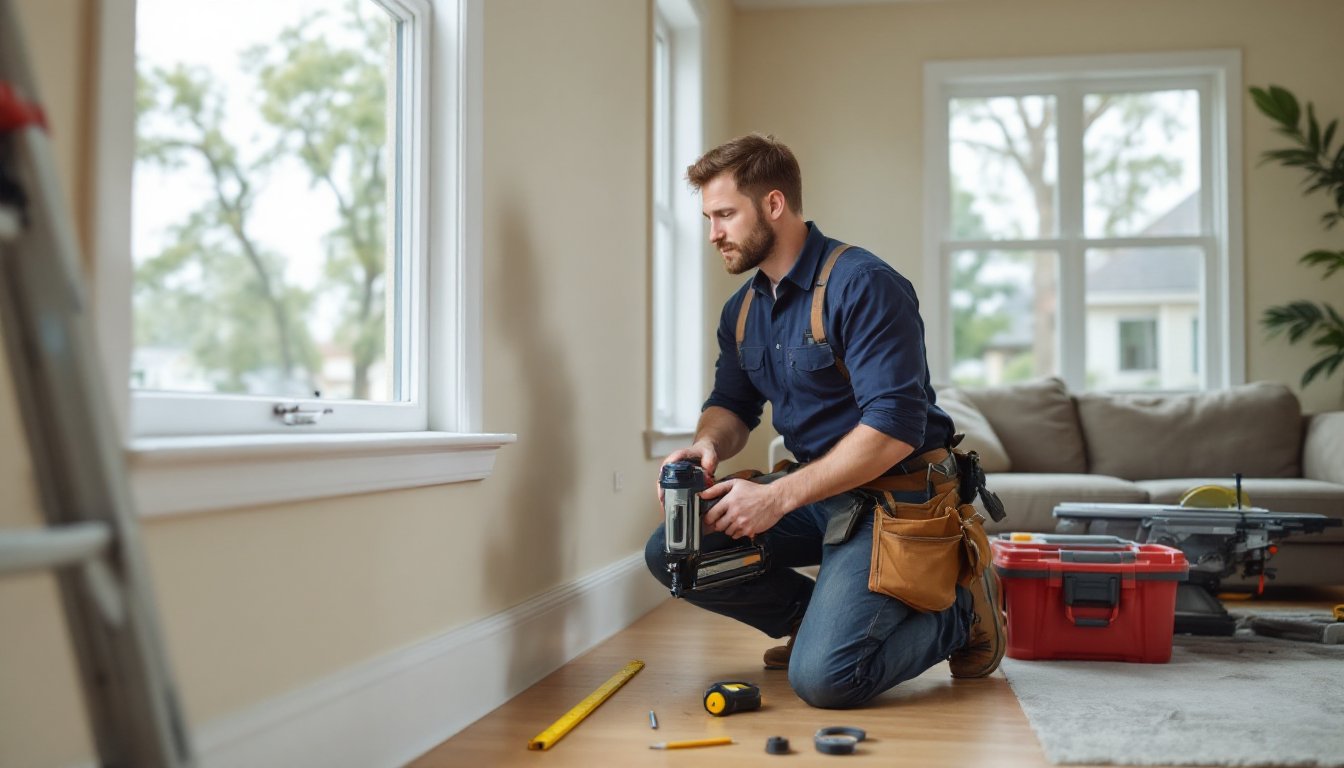
Finding reliable help for those nagging home repairs and odd jobs isn’t always straightforward, especially in a market as active as Minneapolis. Whether it’s a leaky faucet, a fence section that needs replacement, or a half-finished basement project staring at you every morning, a qualified handyman can bridge the gap between full-scale contractor work and what most homeowners can tackle solo. This guide walks through what handyman services actually cover in the Minneapolis metro, when it makes sense to hire one versus rolling up your sleeves, and how to vet candidates so you’re not stuck with half-finished trim work or a botched deck repair.
Table of Contents
ToggleKey Takeaways
- Handyman services in Minneapolis typically cover minor plumbing, electrical work under $2,500, carpentry, drywall repair, painting, and seasonal tasks—but major structural, gas line, or whole-house electrical work requires licensed contractors and permits.
- Hire a professional handyman when the job requires specialty tools you won’t reuse, involves safety or code concerns, demands speed, or when bundling multiple tasks together becomes more economical than DIY.
- Minneapolis handyman rates typically range from $60–100 per hour with a two-hour minimum, though expect higher costs for specialists; always get multiple itemized quotes and verify insurance and licensing before hiring.
- Verify potential handymen through detailed references, confirm their specific experience with your project type, clarify material sourcing and payment structure, and establish clear timelines and warranty policies upfront.
- Minnesota has no statewide handyman license, but legitimate professionals must carry general liability and workers’ compensation insurance, and understand lead-safe practices for homes built before 1978.
What Do Handyman Services in Minneapolis Cover?
Most handymen operate as general fixers, handling tasks that don’t require specialized licensing in Minnesota, or fall under the state’s threshold for minor work. Typical services include:
- Minor plumbing: faucet replacement, toilet repairs, drain clearing (not new rough-in or rerouting lines)
- Basic electrical: outlet or switch replacement, ceiling fan installation, fixture swaps (Minnesota law allows unlicensed work under $2,500 per project: anything beyond requires a licensed electrician)
- Carpentry: trim installation, door hanging, shelving, stair rail repair
- Drywall repair: patching holes, texture matching, minor ceiling work
- Painting: interior/exterior, one or two rooms, deck staining
- Deck and fence repair: board replacement, gate adjustments, minor structural fixes (not full builds in most cases)
- Assembly and mounting: furniture, TV brackets, garage storage systems
- Seasonal tasks: gutter cleaning, window screen repair, storm door installation
Many Minneapolis handymen also offer light remodeling support, installing backsplash tile, replacing cabinet hardware, or swapping a vanity, but confirm they’re comfortable with the specific scope. If the job involves moving or altering load-bearing walls, gas line work, or whole-house electrical panels, you’ll need a licensed contractor and permits.
Why Hire a Professional Handyman vs. DIY?
Deciding whether to hire out or handle a task yourself boils down to three factors: skill ceiling, tool access, and time value.
When DIY makes sense:
- You already own the tools (or can borrow them cheaply).
- The project is forgiving, painting an interior wall, replacing cabinet pulls, caulking a tub surround.
- You have the time to work through learning curves and potential do-overs.
- Material cost is low enough that a mistake won’t sting.
When to call a handyman:
- The task requires specialty tools you’ll rarely use again (like a wet tile saw for backsplash or a pneumatic nail gun for trim).
- There’s a safety or code component, electrical work, ladder work above second-story height, anything involving structural fastening.
- Speed matters. A handyman can hang and trim a door in 90 minutes: your first attempt might eat a Saturday and still need shims adjusted.
- The job is physically awkward, hanging drywall overhead, installing a ceiling fan solo, or working in a cramped crawl space.
- You’re bundling tasks. Hiring someone for three hours to knock out a list (fix a gate latch, patch two drywall holes, replace a toilet fill valve) is often more economical than renting tools and buying materials piecemeal.
Honestly assess your comfort level. If you’ve never cut crown molding, a handyman’s miter saw skills and scrap pile will save you from wasting $4–6 per linear foot of material on bad angles.
How to Choose the Best Handyman Service in Minneapolis
Vetting candidates upfront prevents mid-project surprises. Start with these checks:
Get multiple quotes. Three is standard. Ask for itemized estimates so you can compare labor vs. materials. Some handymen charge a flat trip fee plus hourly: others quote per job.
Check references and reviews. Platforms hosting verified handyman ratings help filter out fly-by-night operators. Look for patterns, consistent mentions of punctuality, clean work sites, and realistic timelines are green flags. One-off complaints happen: repeated issues with incomplete work or surprise charges are deal-breakers.
Verify their scope. Not all handymen do all tasks. If you need tile work, confirm they’ve done it before and ask to see photos. A generalist might excel at carpentry but farm out plumbing to a subcontractor, adding cost.
Discuss materials. Clarify whether the handyman supplies materials or if you’re responsible. Buying your own paint, trim, or fixtures gives you control over quality and finish, but the handyman may get contractor pricing you can’t match. If they’re sourcing materials, ask for receipts.
Confirm project timeline. A bathroom vanity swap might take half a day: a deck repair could span two visits depending on weather and material delivery. Nail down start dates and expected completion before signing anything.
Licensing and Insurance Requirements
Minnesota doesn’t have a statewide “handyman license,” but specific trades do require licensing:
- Electrical work over $2,500 needs a licensed electrician.
- Plumbing (new installations, gas line work, water heater replacement) requires a licensed plumber.
- HVAC work needs state certification.
- Residential building contractor license is mandatory if total project cost exceeds $15,000 or involves structural changes.
Any legitimate handyman should carry general liability insurance (covers property damage, like a dropped ladder through your window) and workers’ compensation if they employ helpers. Ask for proof of both and verify coverage is current. If someone is injured on your property and they lack workers’ comp, you could be liable.
Minneapolis also enforces rental licensing rules, so if you’re a landlord hiring a handyman for turnover work, confirm they understand lead-safe practices if your property was built before 1978. The EPA’s Renovation, Repair, and Painting (RRP) rule applies.
Average Costs for Handyman Services in Minneapolis
Pricing varies with task complexity and the handyman’s experience, but here are ballpark figures for the Minneapolis metro as of early 2026. Keep in mind material costs and regional demand fluctuations, Twin Cities rates can run higher than outstate Minnesota.
Hourly rates: $60–100/hour is typical. Expect the higher end for specialists (finish carpentry, tile) and the lower end for general tasks. Many handymen have a two-hour minimum.
Common job estimates:
- Drywall patch (small hole): $75–150
- Interior door hanging (slab and trim): $150–300
- Ceiling fan installation (fan provided): $100–200
- Deck board replacement (materials extra): $200–400 for 5–10 boards
- Exterior door replacement (pre-hung unit): $300–600 labor
- Fence gate repair: $100–250
- Gutter cleaning (average single-family home): $125–200
Cost estimators on platforms like HomeAdvisor can give project-specific ranges, but always get a written quote before work starts.
Regional quirks: Minneapolis’s older housing stock, lots of pre-1950 builds with plaster walls, irregular framing, and knob-and-tube remnants, can add time. Mention your home’s age upfront so the handyman can factor in potential complications (like needing to shim a door in a out-of-square jamb).
Materials are separate unless stated. A gallon of quality interior paint covers roughly 350–400 square feet: if your handyman is painting, confirm whether their quote includes primer, paint, and supplies or just labor.
Top Questions to Ask Before Hiring
Nail down these details in your initial conversation or estimate meeting:
-
“What’s your availability, and how far out are you booking?” Spring and early summer are peak seasons in Minneapolis: handymen can be booked two to four weeks ahead.
-
“Do you pull permits when required?” Even minor electrical or structural work may need permits depending on scope. A pro knows when to file.
-
“Who’s doing the work, you or a subcontractor?” If subs are involved, confirm they’re also insured.
-
“What’s your payment structure?” Common models: 50% upfront for materials, balance on completion: hourly with a deposit: or flat-rate per job. Avoid paying the full amount before work starts.
-
“How do you handle unexpected issues?” (Finding rot behind siding, discovering old wiring that’s not up to code, etc.) Get agreement on how they’ll communicate changes and price adjustments.
-
“What’s your warranty or callback policy?” Reputable handymen stand behind their work. A 30- to 90-day callback window for defects is reasonable.
-
“Can you provide references for similar jobs?” If you’re hiring for tile work, ask for tile references. Past bathroom remodels aren’t relevant if you need fence repair.
Research on sites like ImproveNet can help you benchmark typical project costs and timelines, so you’re equipped to spot lowball bids (often a red flag) or inflated quotes.
Conclusion
Hiring a handyman in Minneapolis doesn’t have to be a gamble. Vet for insurance and relevant experience, get itemized quotes, and clarify scope and timelines upfront. Whether you’re tackling a punch list before listing your home or finally addressing that wobbly deck railing, the right professional saves time, prevents code headaches, and delivers finish quality that holds up through Minnesota’s freeze-thaw cycles.