Finding reliable help for home repairs in Jacksonville doesn’t have to be a gamble. Whether it’s a dripping faucet, damaged drywall, or a deck that needs refinishing, the right handyman can save homeowners time, stress, and money. Jacksonville’s humid subtropical climate and coastal location create unique maintenance challenges, from weathered siding to moisture-related wood rot, that demand skilled attention. This guide cuts through the noise to help homeowners identify qualified pros, understand fair pricing, and know when to call in help versus tackling projects themselves.
Table of Contents
ToggleKey Takeaways
- Jacksonville handyman services typically cover minor plumbing, carpentry, painting, door and window repairs, and drywall work, but exclude electrical upgrades, HVAC installation, and roofing that require licensed specialists.
- Verify liability insurance and workers’ compensation coverage before hiring—always request proof of current certificates to protect yourself from property damage or injury claims.
- Jacksonville handyman rates range from $60–$125 per hour, with flat-rate pricing common for standard tasks like ceiling fan installation ($75–$150) and drywall patching ($100–$200).
- Choose a handyman with recent references from similar projects, check online reviews for patterns in complaints, and get written estimates itemizing labor, materials, and disposal fees for jobs over $200.
- DIY simple repairs like replacing faucet flappers or painting if you’re confident, but hire a pro for electrical work, plumbing connections, height-related tasks, and anything requiring specialty tools to avoid safety and code violations.
- Before committing, ask about experience, insurance documentation, recent references, timeline, permit handling, and payment schedule—avoiding handymen who demand full upfront payment or skip required permits.
What Jacksonville Handyman Services Typically Include
Most handymen in Jacksonville offer a broad range of repair and maintenance tasks that don’t require specialized trade licenses. Typical services include minor plumbing repairs like faucet replacements, toilet flapper fixes, and shutoff valve installations, but not rerouting supply lines or replacing water heaters, which require a licensed plumber.
Carpentry work is a staple: installing shelving, replacing baseboards and trim, repairing rotted fascia boards, building simple decks (under certain square footage limits), and patching drywall. Many handymen also handle door and window repairs, adjusting hinges, replacing weatherstripping, fixing stuck sashes, and swapping out screens damaged by Florida’s afternoon storms.
Interior painting and touch-ups are common requests, along with exterior caulking to seal out moisture around windows and door frames, critical in Jacksonville’s high-humidity environment. Handymen also tackle furniture assembly, ceiling fan installation (non-electrical connections), and minor tile work like replacing a few cracked backsplash tiles.
What’s usually not included: full electrical panel upgrades, HVAC installation, structural framing alterations, major plumbing (like sewer line work), or roofing replacement. These require licensed contractors and often permits. If a job involves moving load-bearing walls, working inside an electrical panel, or altering gas lines, it’s time to call a specialist.
How to Choose the Right Handyman in Jacksonville
Start by asking for recent references from jobs similar to yours. A handyman who excels at carpentry might not be the best choice for tile repair. Check online reviews, but read beyond star ratings, look for patterns in complaints (missed appointments, incomplete work, poor communication).
Verify that the handyman carries general liability insurance and, if they have employees, workers’ compensation coverage. Request proof of insurance and confirm it’s current. This protects homeowners if someone gets hurt on the property or if work causes accidental damage.
Get written estimates for any job over $200. The estimate should itemize labor, materials, and any disposal fees. Be wary of significantly low bids, they often signal corner-cutting or surprise upcharges later. For projects requiring multiple visits or extensive materials (like a deck build), a detailed contract is non-negotiable.
Ask about warranty or callback policies. Reputable handymen stand behind their work and will return to fix issues that arise from their installation or repair within a reasonable window, typically 30 to 90 days.
Licensing and Insurance Requirements
Florida doesn’t require a state contractor’s license for handymen performing jobs under $1,000 in labor and materials combined (per Florida Statute 489). But, some municipalities, including parts of Jacksonville, have their own rules. Always confirm local requirements with the City of Jacksonville Building Inspection Division before starting work.
Even if a license isn’t mandatory, liability insurance is essential. It covers property damage (like a handyman accidentally puncturing a water line while hanging cabinets). Workers’ comp protects homeowners from liability if an uninsured worker is injured. Don’t take the handyman’s word for it, ask to see the certificate of insurance and call the insurer to verify active coverage.
Average Costs for Handyman Services in Jacksonville
Jacksonville handyman rates typically range from $60 to $125 per hour, depending on experience, job complexity, and whether materials are included. Many pros charge a minimum service fee of $100 to $150 for the first hour or first visit, then an hourly rate after that.
Flat-rate pricing is common for standard tasks. Expect to pay around $75–$150 to install a ceiling fan (fixture provided by homeowner), $100–$200 for drywall patching and painting a small area, and $150–$300 to replace a standard interior door (not including the door itself). Deck repairs run $200–$600 depending on the extent of rot and board replacement needed.
Larger projects get quoted differently. Building a small deck (10×12 feet) might cost $1,500–$3,000 including materials and labor, while painting a single room averages $300–$600. These figures fluctuate with lumber prices, paint quality, and whether prep work (sanding, priming, caulking) is needed.
Homeowners can check cost estimators on HomeAdvisor for current regional pricing on specific repairs and renovations. Keep in mind that coastal Jacksonville properties often face higher material costs due to moisture-resistant or pressure-treated lumber requirements.
Always ask if the estimate includes materials, debris removal, and travel time. Some handymen mark up materials by 10–20% as a convenience fee: others let homeowners purchase supplies directly to save money.
DIY vs. Hiring a Professional: Making the Smart Choice
Tackle simple repairs yourself if you have the right tools and a weekend to spare. Jobs like replacing a toilet flapper, caulking a bathtub, patching small drywall holes, or painting a bedroom are manageable for most homeowners with basic skills. Online tutorials are abundant, but measure twice and follow manufacturer instructions, most DIY disasters stem from skipping prep or using the wrong fastener.
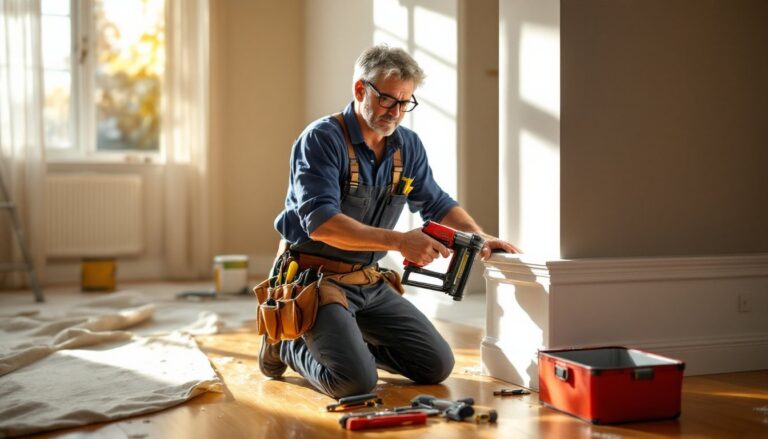
Call a handyman for tasks that require specialty tools (like a pneumatic nailer for trim work or a wet saw for tile), jobs that need precision (hanging a heavy mirror on drywall without hitting studs risks disaster), or anything involving heights and ladders. Repairing fascia boards on a two-story house isn’t worth the fall risk.
Hire a pro immediately for anything involving electrical or plumbing connections, even if it seems minor. A poorly wired ceiling fan can start a fire: a leaking supply line can cause thousands in water damage. Florida’s building codes (based on the International Residential Code) are strict for good reason. Unpermitted electrical or plumbing work can void homeowners insurance and create issues during home sales.
If a project will take you an entire weekend and you’re not confident in the outcome, paying a handyman $400 for four hours of skilled work often beats buying tools you’ll use once, wasting materials on trial and error, and ending up with a result that needs professional correction anyway.
Questions to Ask Before Hiring Your Handyman
Before committing, ask these questions to avoid headaches:
“How long have you been doing this type of work?” Experience matters, especially for jobs like wood rot repair where identifying the source of moisture is as important as replacing boards.
“Do you carry liability insurance and workers’ comp?” As mentioned earlier, get proof. If they say they’re insured but can’t provide documentation, walk away.
“Can you provide references from jobs in the last six months?” Recent references reveal current work quality and reliability. A handyman who was great five years ago might be overbooked or burned out now.
“What’s included in your estimate?” Clarify if materials, haul-away, and touch-up work are part of the quoted price. Some handymen charge extra to remove old fixtures or patch paint after installing new hardware.
“Do you pull permits when required?” Even small jobs sometimes need permits, like replacing a water heater or adding a new electrical circuit. A handyman who skips permits to save time is putting the homeowner at risk.
“What’s your timeline and payment schedule?” For multi-day projects, understand the work schedule. Avoid paying the full amount upfront: a typical structure is 25–50% deposit, progress payments, and final payment upon completion. For small jobs under $500, payment upon completion is standard.
Finding Local Jacksonville Handyman Pros
Start by asking neighbors and local Facebook groups for recommendations, word-of-mouth referrals in Jacksonville’s tight-knit communities often surface reliable pros who aren’t heavily marketed online. Check local handyman listings on Angi to compare ratings and read verified customer reviews from other Jacksonville homeowners.
Online platforms like Thumbtack, Nextdoor, and TaskRabbit connect homeowners with local handymen, often including background checks and customer ratings. These services charge the handyman a lead fee, which might be reflected in slightly higher rates, but the vetting process adds a layer of security.
Local hardware stores, Lowe’s, Home Depot, and independent spots like Ace Hardware, sometimes have bulletin boards where handymen post business cards. Store employees occasionally recommend pros they’ve worked with personally.
For project planning and cost estimates beyond simple repairs, renovation guides on ImproveNet offer detailed breakdowns and contractor matching tools that can help homeowners compare multiple bids.
Once you’ve narrowed down candidates, meet in person or schedule a video call. Gut instinct matters. If a handyman shows up late to the estimate, is vague about timelines, or pressures you to commit immediately, those are red flags. The right pro will answer questions patiently, explain the work clearly, and make you feel confident, not anxious, about the project ahead.